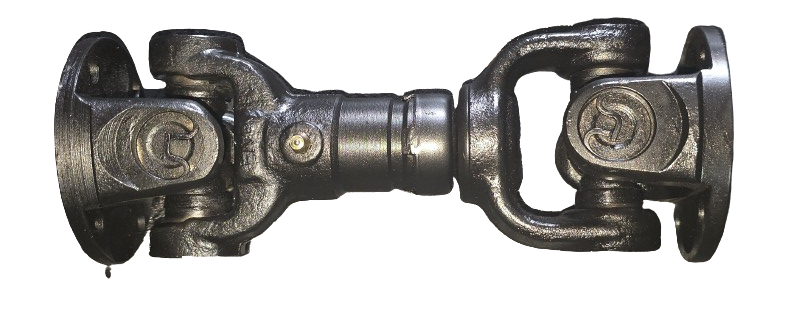
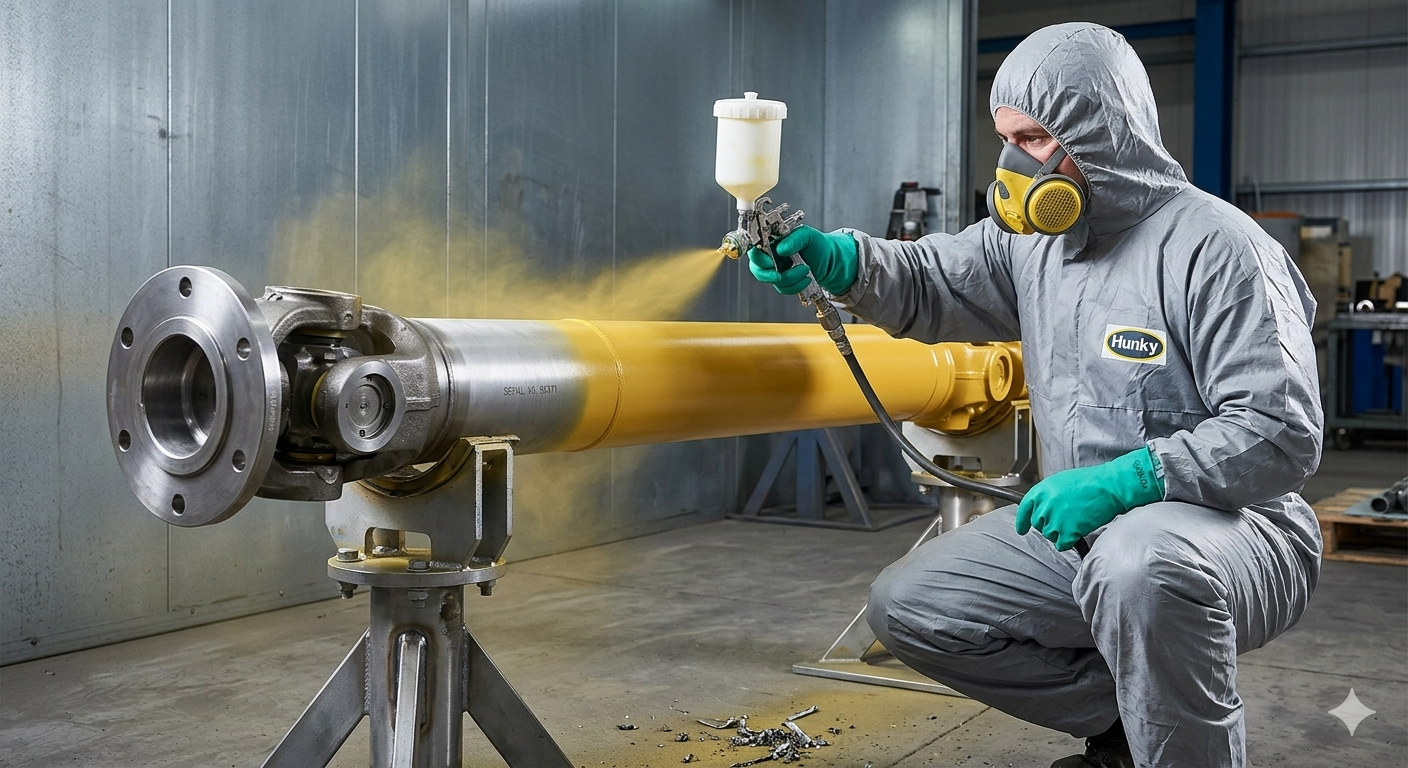
A spline is a set of parallel ridges and grooves cut around a shaft that mate with matching grooves in a sleeve, letting torque transfer between the two while still allowing the sleeve to slide along the shaft's length. On a propeller shaft, that sliding capability is what lets the slip yoke absorb the changing distance between gearbox and axle as the suspension moves. It sounds like a small detail. In practice, getting it wrong is one of the most common causes of a driveline that's noisy or short-lived.
Count And Profile Aren't Interchangeable Between Vehicles
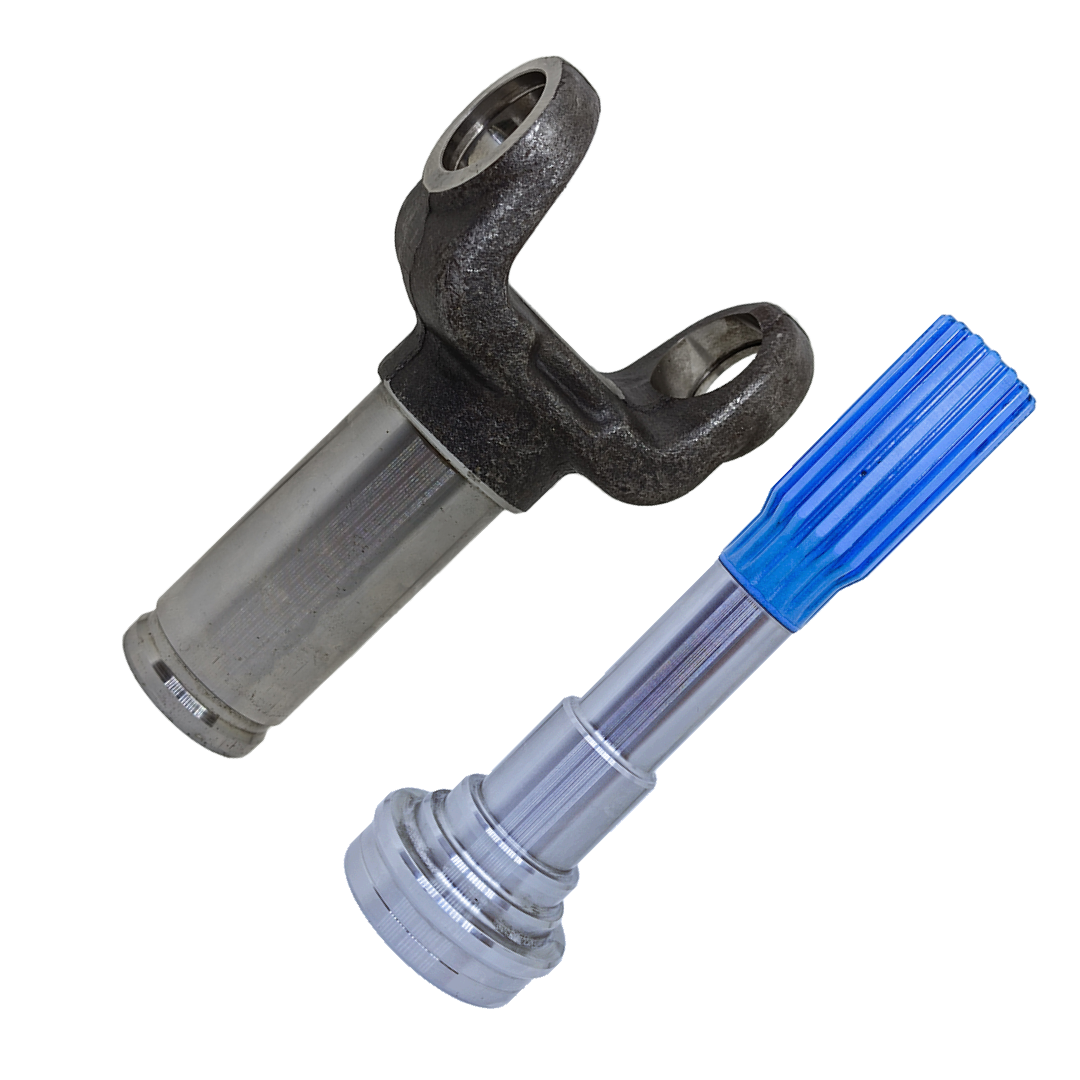
Two splined shafts can look almost identical at a glance and still not fit each other. The number of teeth, the depth and angle of each tooth, and the major and minor diameters are all specific to a given design, and manufacturers use different combinations of these for different torque ratings and applications. A sleeve yoke with more, finer splines distributes load across more contact points and tends to run smoother and quieter; fewer, coarser splines carry more load per tooth and are typically found on heavier-duty, higher-torque applications. Neither is universally "better" — they're matched to the torque and duty cycle of the specific driveline they were designed for.
This is exactly why "it looks the same" is not good enough when sourcing a replacement part, and it's the same principle we cover from the flange side in our guide on flange bolt patterns — a close visual match and an actual fit are two different things.
Why A Worn Spline Clatters Instead Of Just Sliding
A new spline fit has a small, deliberately engineered clearance that lets the sleeve slide freely without binding, while still transmitting torque without perceptible play. As the mating surfaces wear — from friction during normal slip travel, from inadequate lubrication, or from contamination getting past the sleeve seal — that clearance grows. Once it grows enough, the connection develops backlash: rather than smoothly transmitting torque, the teeth clatter against each other every time torque direction reverses, such as coming on and off the throttle. That clatter is often mistaken for a universal joint problem, in much the same way a failing center bearing gets mistaken for one — it's worth checking the actual source before replacing the wrong component.
Lubrication Is Not Optional On A Slip Spline
Every time the slip yoke moves in and out — which happens continuously as the suspension cycles — the splined surfaces slide against each other under load. Without adequate grease, that sliding contact wears the mating surfaces directly, and it wears them faster than almost any other point in the driveline because it's the only connection in the whole assembly designed to have relative sliding motion built into its normal operation. This is precisely why we cover slip spline greasing specifically, not just universal joints, in our drive shaft maintenance guide.
Manufacturing Precision Is What Makes The Difference
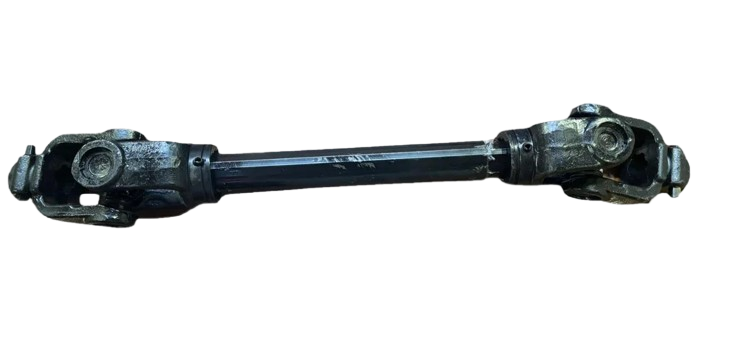
A spline that's cut to a loose or inconsistent tolerance starts its life with the backlash a correctly manufactured one only develops after wear. At MMW we cut splines on CNC broaching equipment specifically because manual or older equipment introduces exactly the tooth-to-tooth inconsistency that causes premature clatter and wear — the same precision argument we make in more general terms in our OEM vs aftermarket comparison.
Need A Splined Component Identified?
Send us a photo with a ruler against the spline and we can usually identify the profile family before you even count the teeth yourself.
What To Check Before You Assume A Spline Is The Right Fit
Count the teeth, measure the major diameter across the outside of the splines, and check whether the profile has a flat or rounded root between teeth. Those three details, sent along with the flange-to-flange length covered in our measurement guide, are usually enough for us to confirm fitment before you commit to an order.