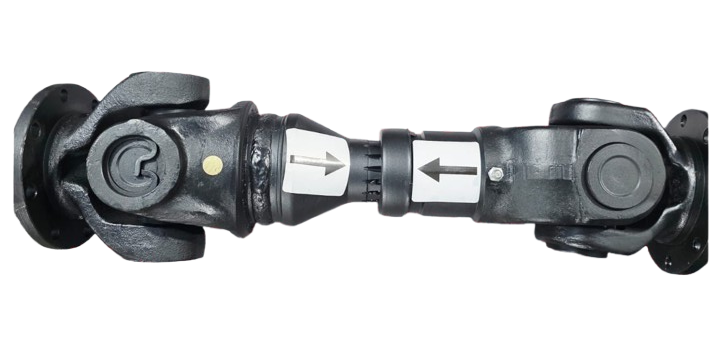
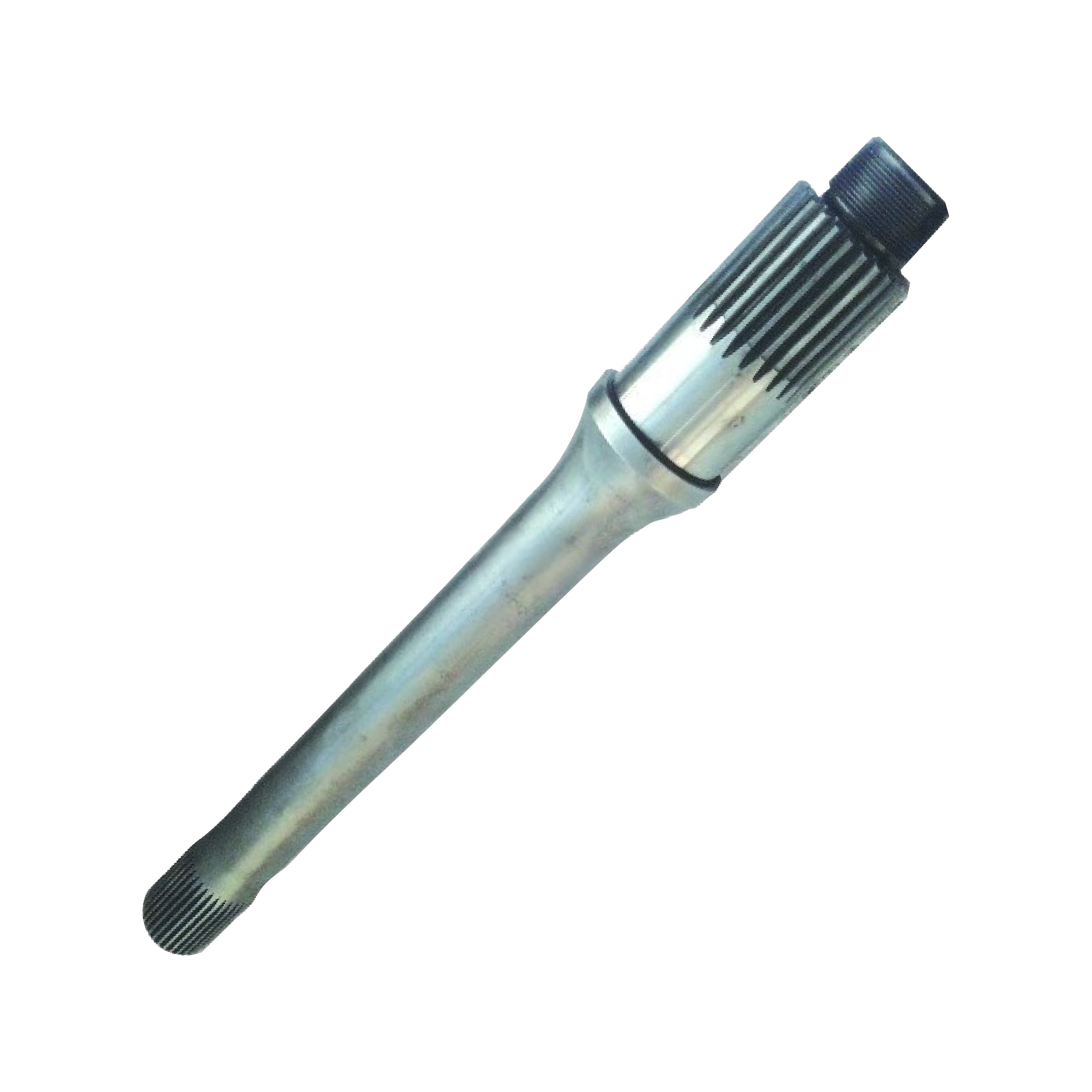
On a two-piece or three-piece propeller shaft, the center bearing carries the connecting flange between shaft sections, mounted to the chassis through a rubber isolator. It's an unglamorous component that gets almost no attention until it fails — and when it does, the symptoms point so convincingly at a universal joint that a lot of perfectly good UJ crosses get replaced before anyone checks the bearing underneath them.
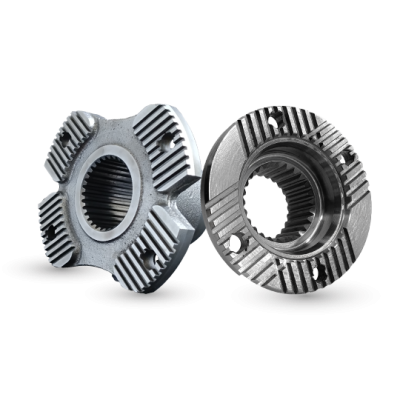
Why It Gets Mistaken For A UJ
A center bearing sits at exactly the point on the driveline where a UJ would also sit — at the joint between two shaft sections. Both faults produce vibration and, in advanced cases, noise from roughly the same physical location under the vehicle. The difference is in the character of the vibration and in what you find when you actually inspect the bearing rather than just the joint next to it.
What A Failing Center Bearing Actually Feels Like
The rubber isolator that supports the bearing degrades in one of two ways: it hardens and cracks with age and heat exposure, or it separates internally from fatigue after enough miles. Either way, the bearing loses its ability to absorb the small amount of flex and vibration it's designed to isolate, and that vibration transmits directly into the chassis instead. This typically shows up as a vibration that's present across a wide speed range rather than one that peaks and fades at a specific road speed — a distinguishing clue, because a balance-related vibration usually does have a speed-dependent character while a failed isolator often doesn't.
The Physical Check
With the vehicle safely supported, grip the bearing housing itself — not the shaft, the actual bearing housing bolted to the chassis crossmember — and try to move it up and down and side to side. Some give is normal in the rubber; a bearing housing that clunks, that you can visibly see shift, or that has a chunk of rubber visibly missing or perished, has failed. Also look underneath and around the mount for a fine black rubber dust — the byproduct of a perishing isolator grinding against itself.
Separately, spin the bearing itself by hand if you can access it with the shaft removed or disconnected. A rough, notchy feel or resistance as it turns means the bearing race itself has failed, independent of the rubber mount — a different failure mode with the same result: it needs replacing.
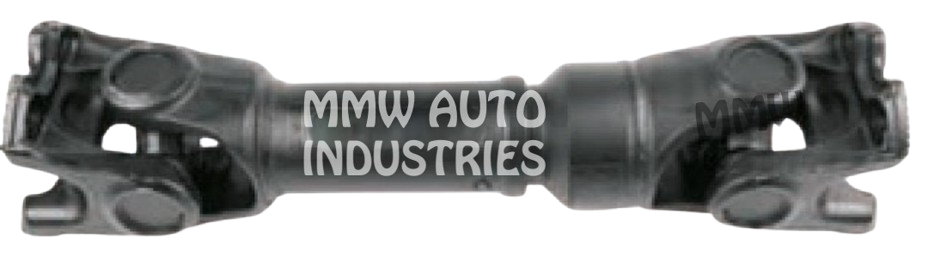
What Actually Causes It To Fail
Three things dominate: age and heat cycling of the rubber isolator, which happens regardless of driving style; water and road salt reaching a bearing that wasn't properly sealed or that has a perished grease seal; and misalignment between the two shaft sections placing a continuous side load on a bearing that was designed mainly to carry radial weight, not a bending moment. That third cause connects directly to installation quality — if a shaft was reassembled after repair with the sections slightly out of alignment, the center bearing takes the resulting load every single rotation, and it fails far sooner than a correctly aligned one would.
Vibration From The Middle Of The Shaft?
If you've isolated the vibration to the center section rather than either UJ, tell us your vehicle and we'll help you confirm whether it's the bearing, the mount, or something else.
Why You Should Never Just Replace The Bearing Alone After A Crash Or Big Impact
If a center bearing failed because of a chassis impact, a dropped shaft, or heavy corrosion, replacing just the bearing without checking the two shaft sections and the flange coupling between them for straightness is a common mistake. A bent shaft section will simply wear out the new bearing again, often faster than the original — see our guide on flange yokes and center couplings for what to check on the coupling itself, and our piece on driveline angles and phasing for why alignment matters this much in the first place.