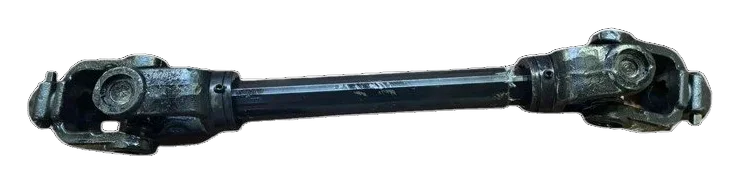
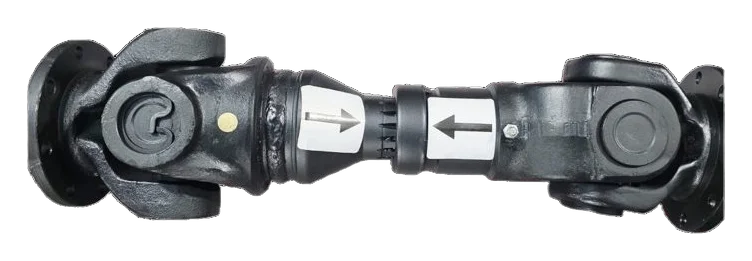
Long commercial vehicles, such as multi-axle heavy trucks and transit buses, cannot use a single continuous propeller shaft. A shaft that is too long will "whip" and bend at high RPMs, acting like a giant jump rope. To solve this, automotive engineers use multi-piece driveshafts supported by center bearings.
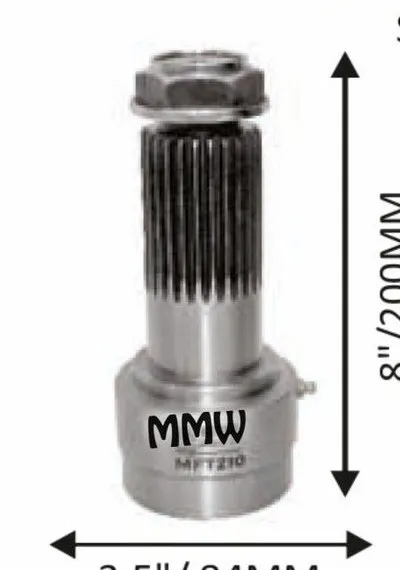
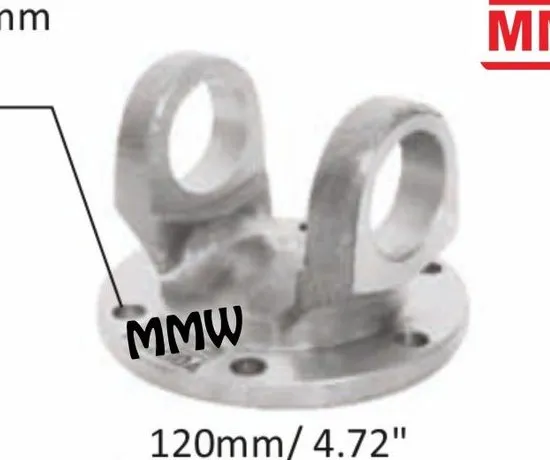
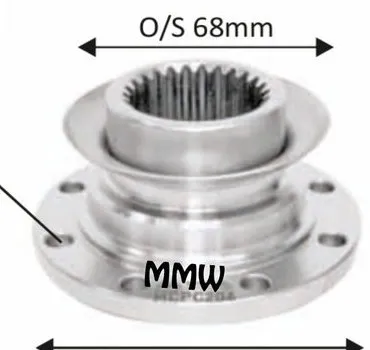
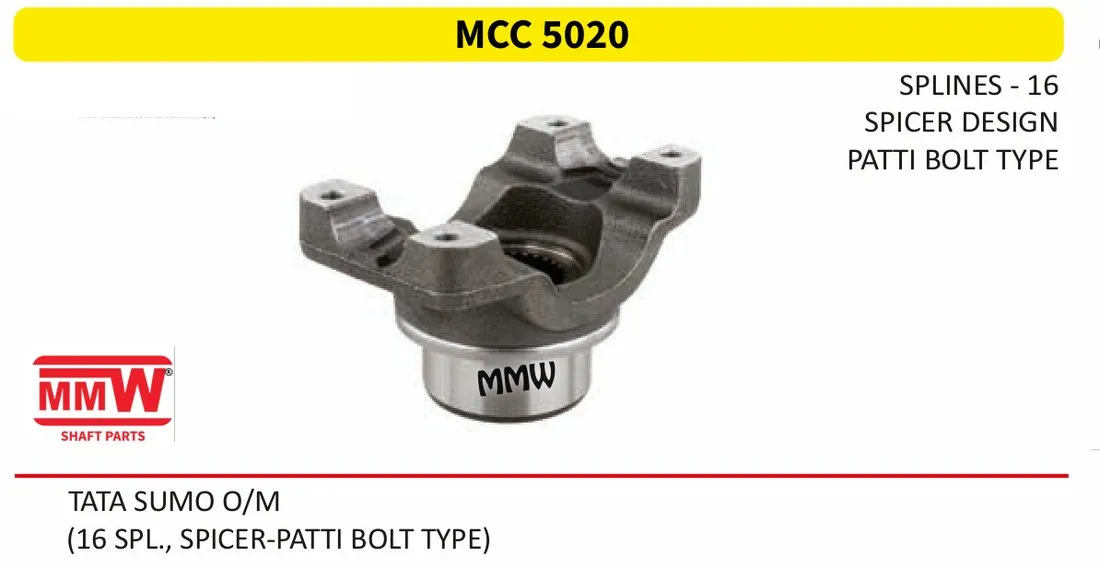
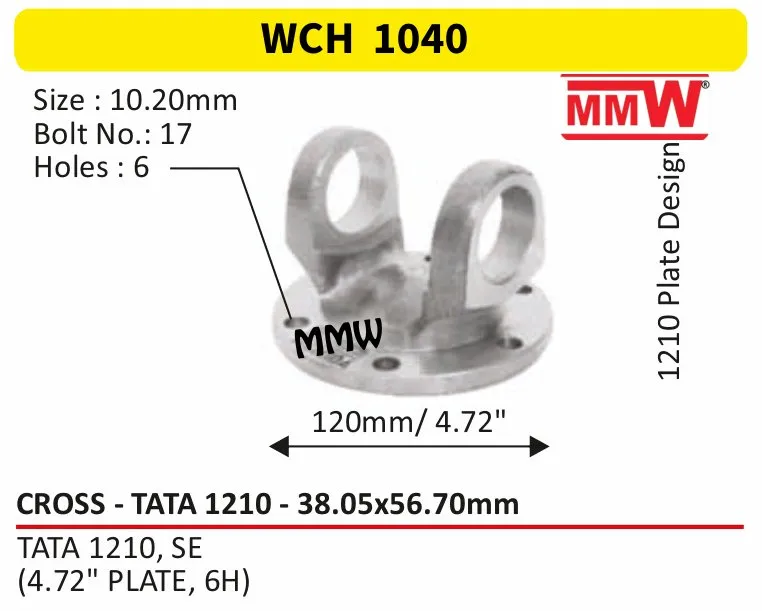
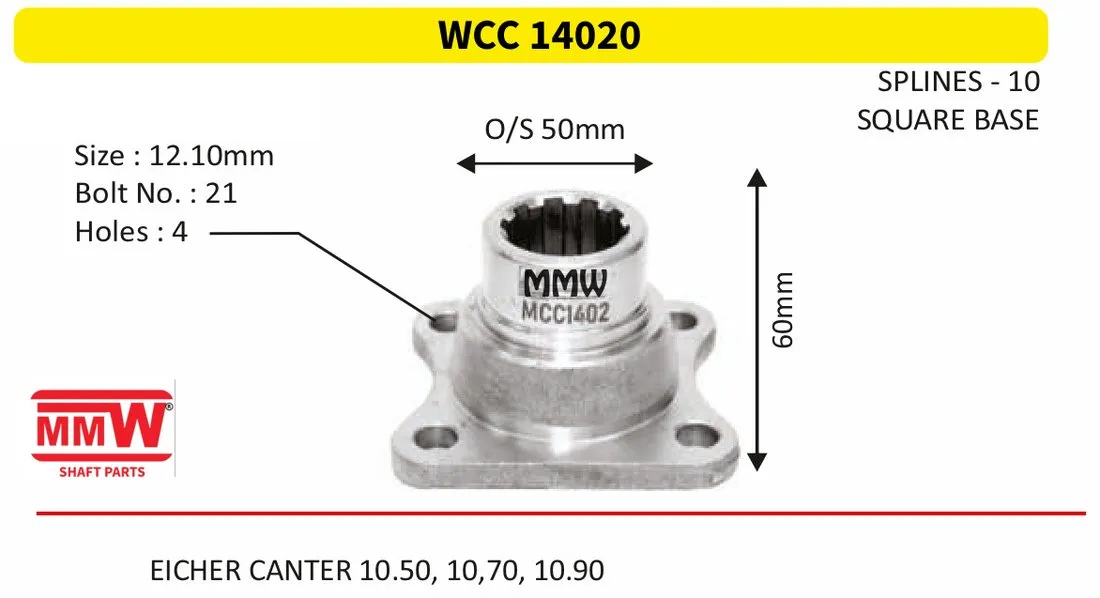
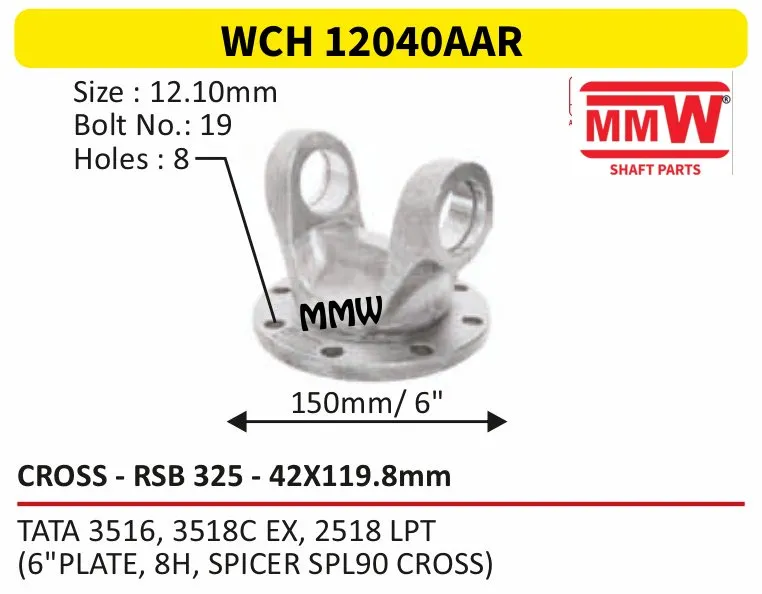
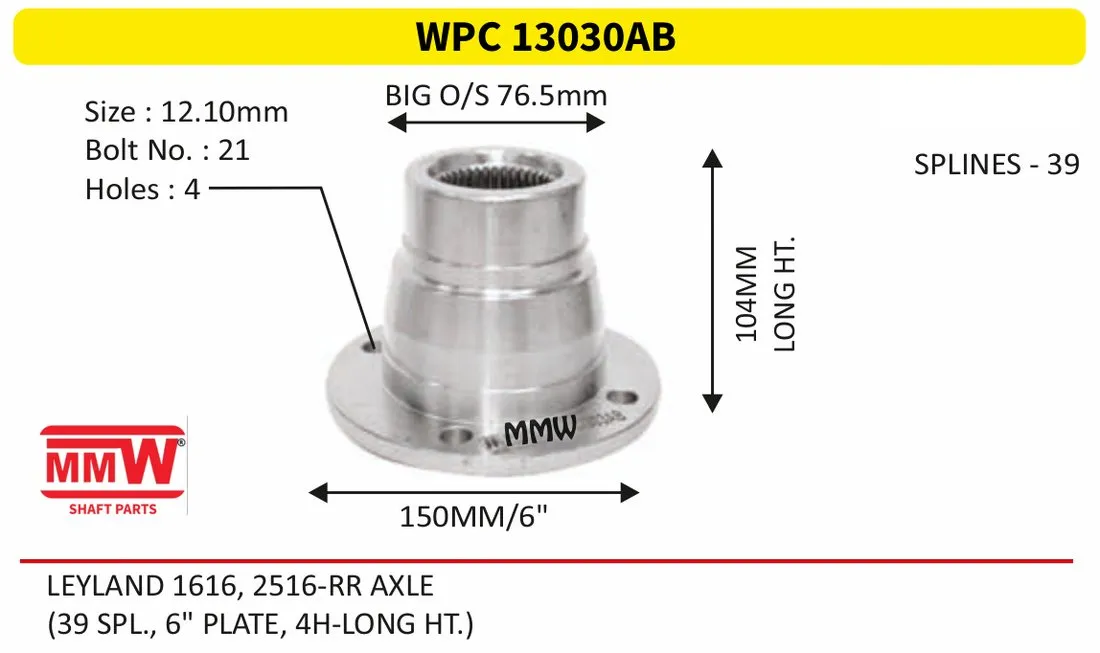
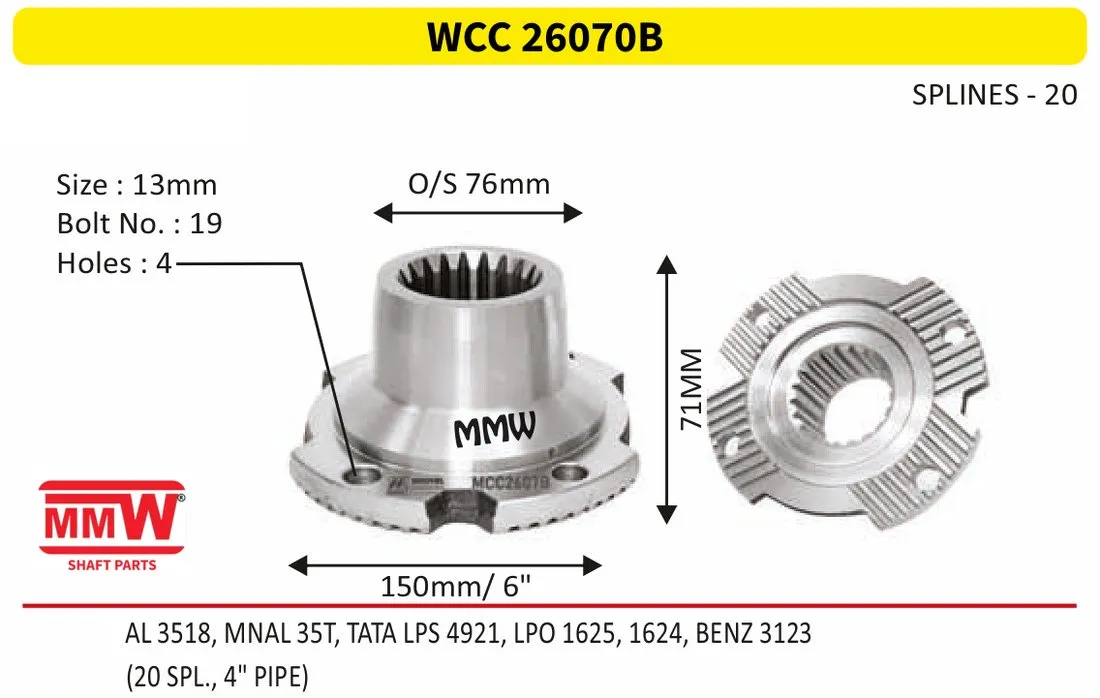
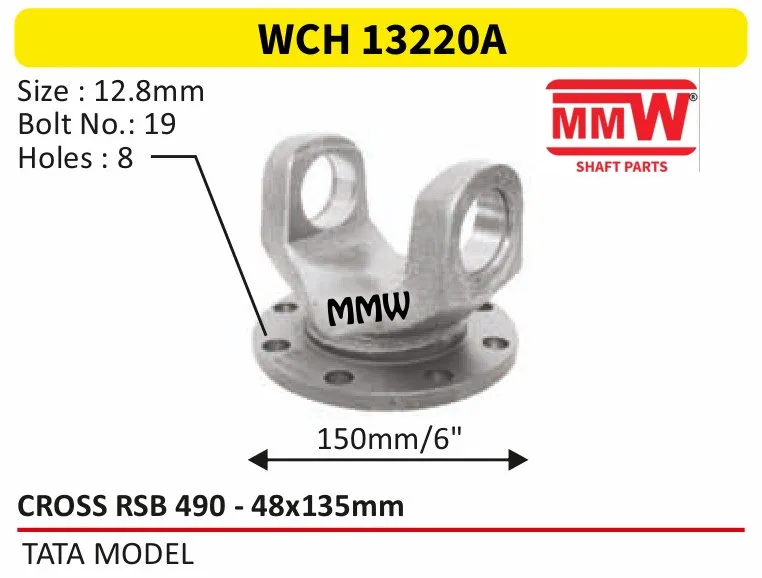
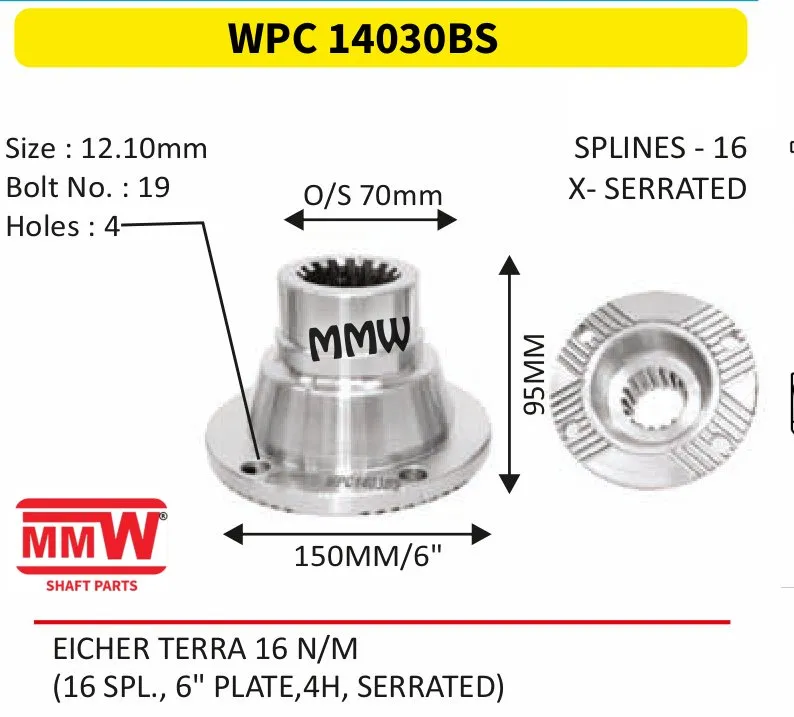
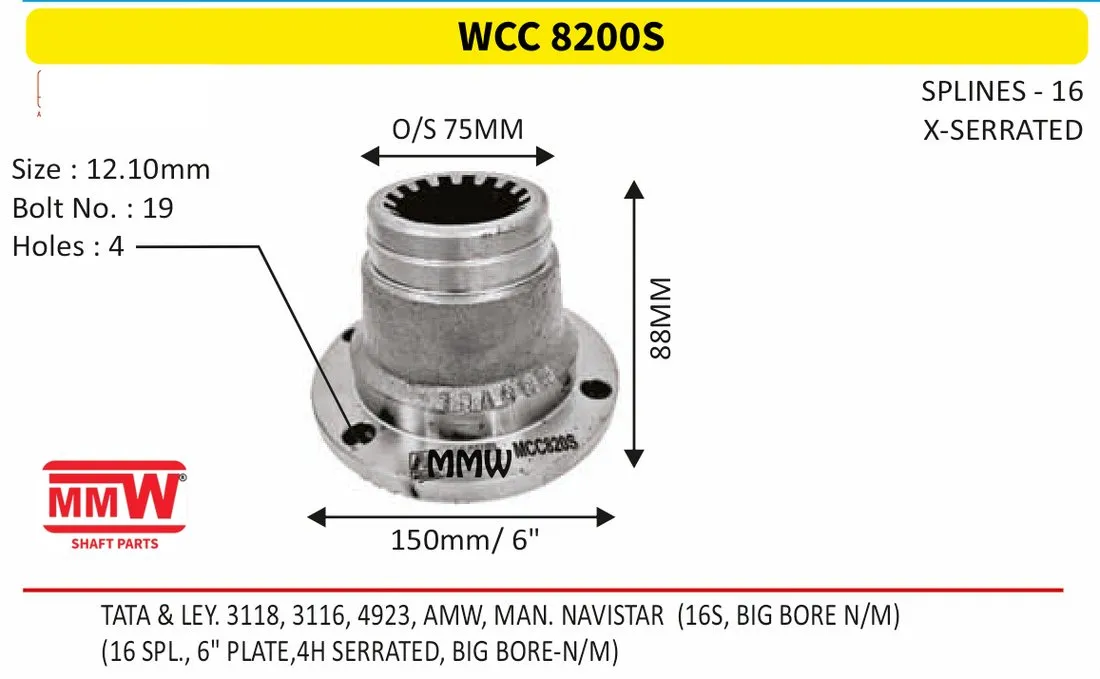
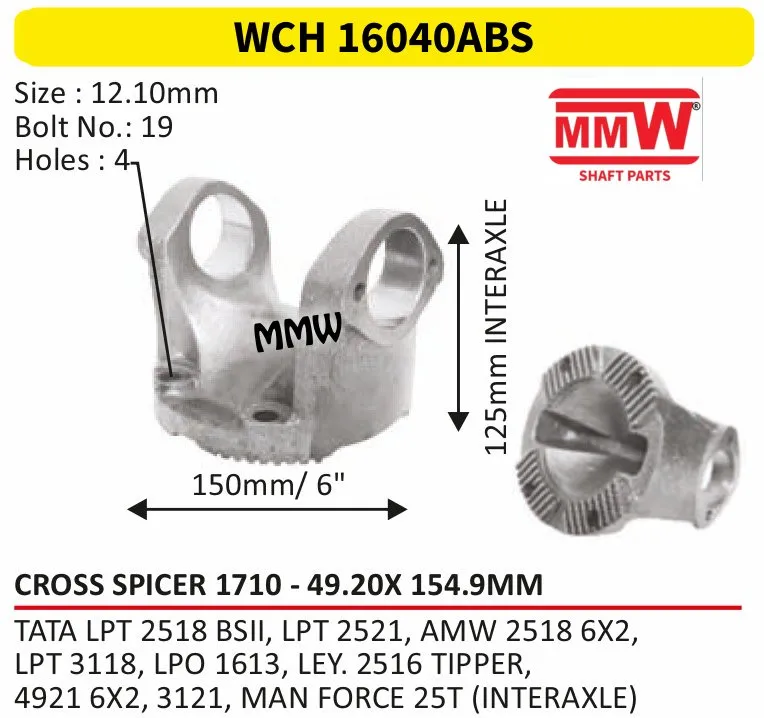
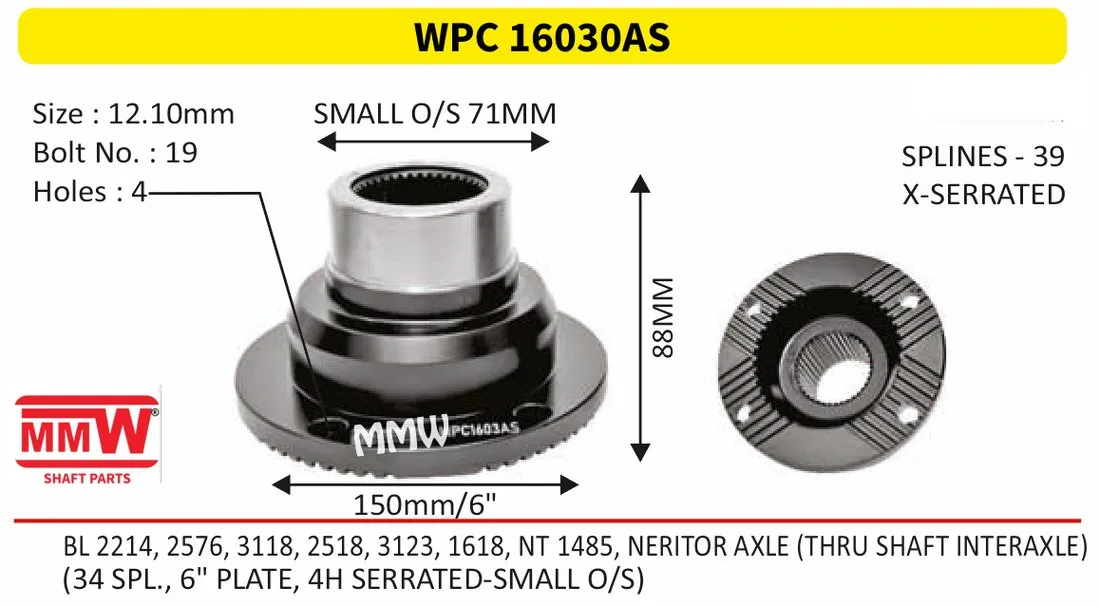
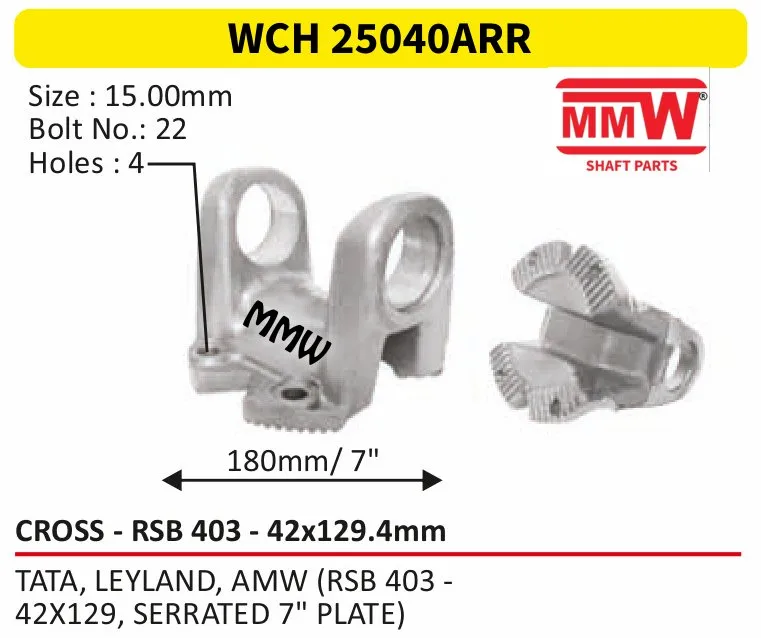
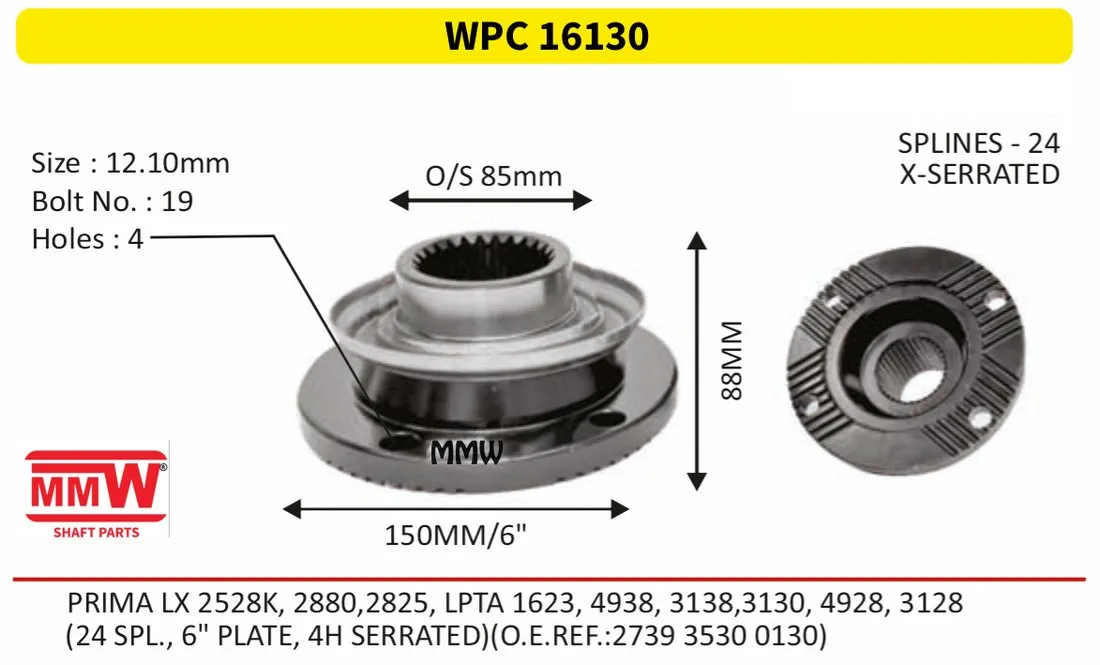
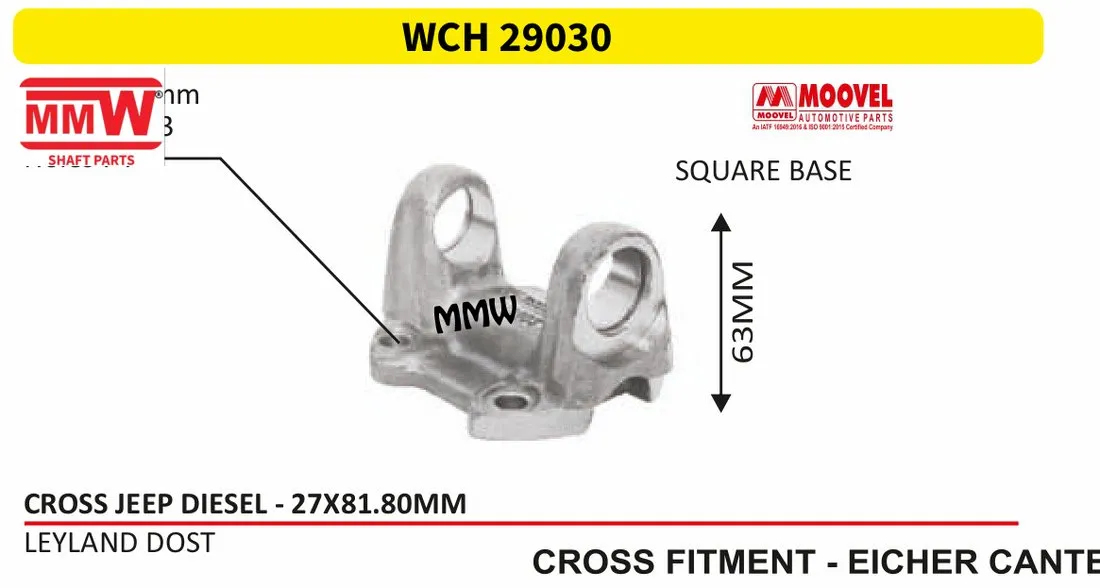
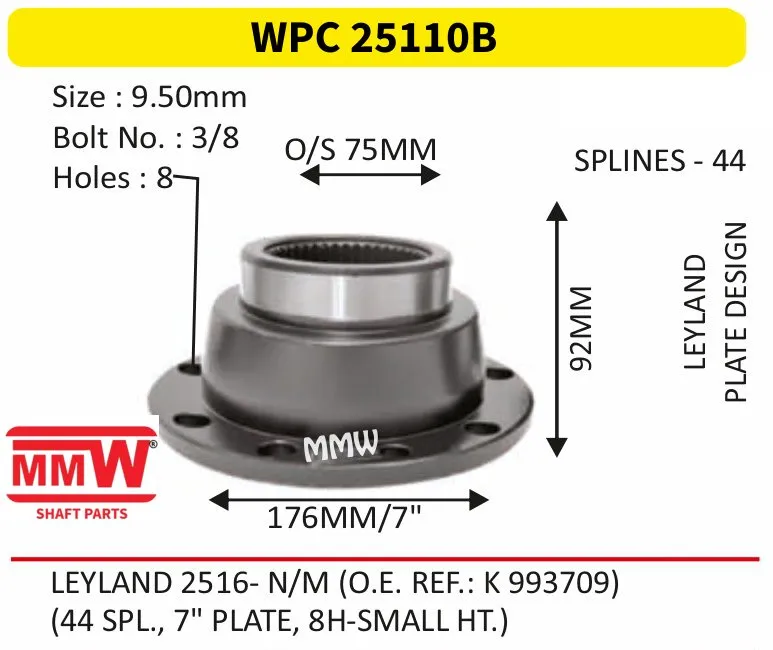
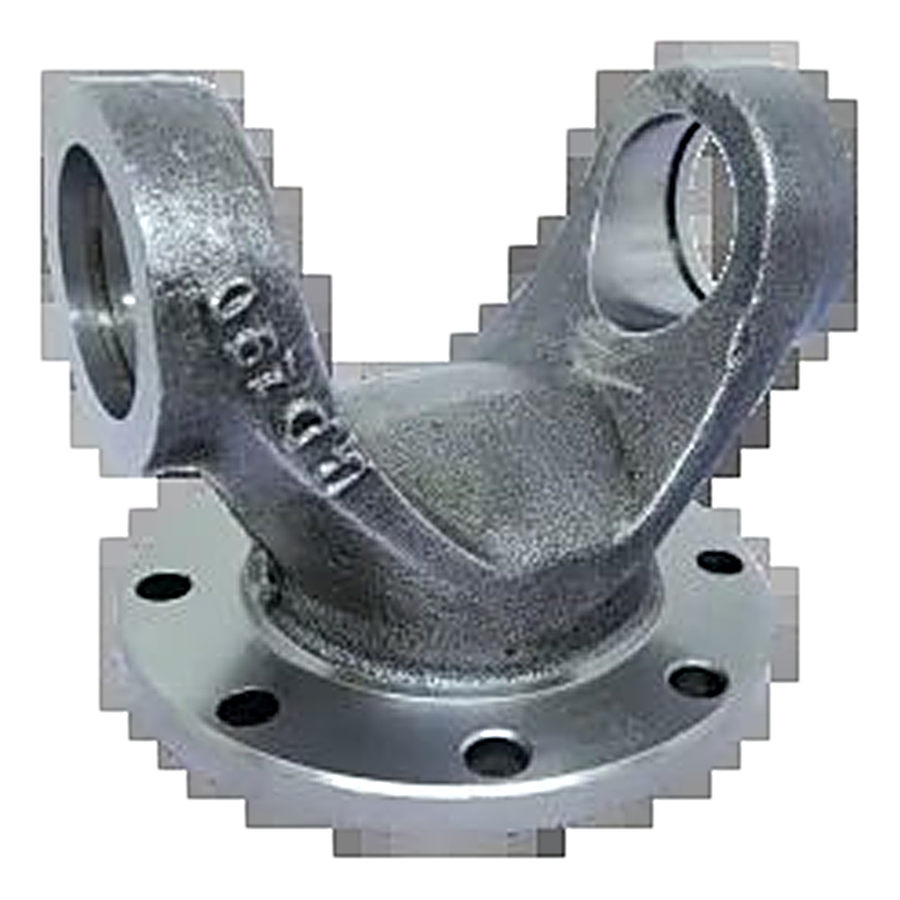
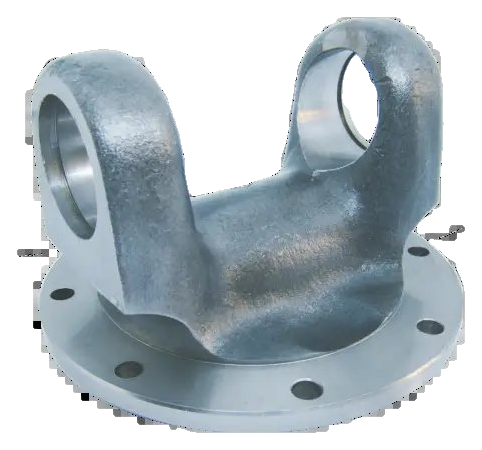
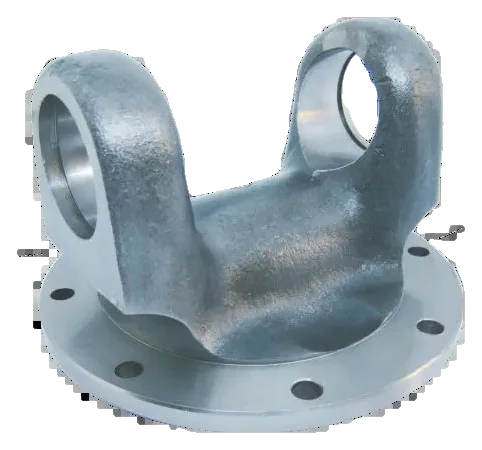
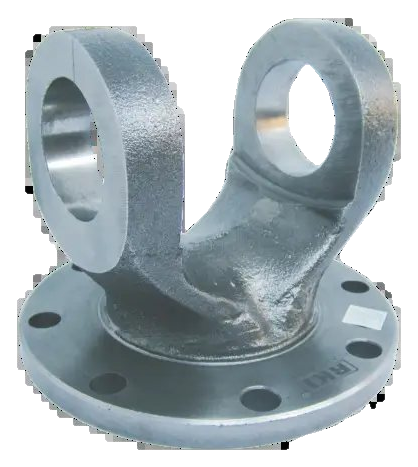
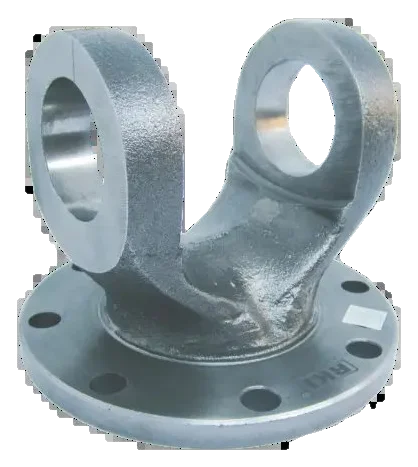
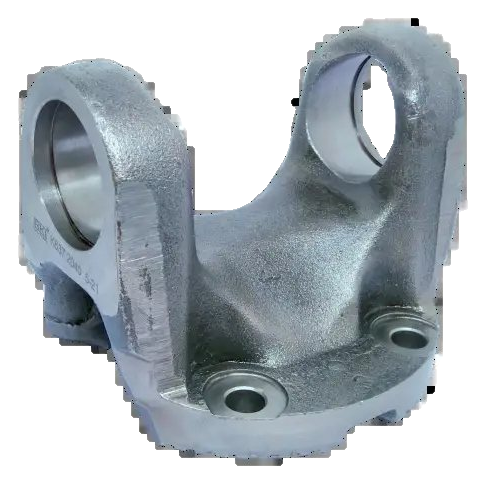
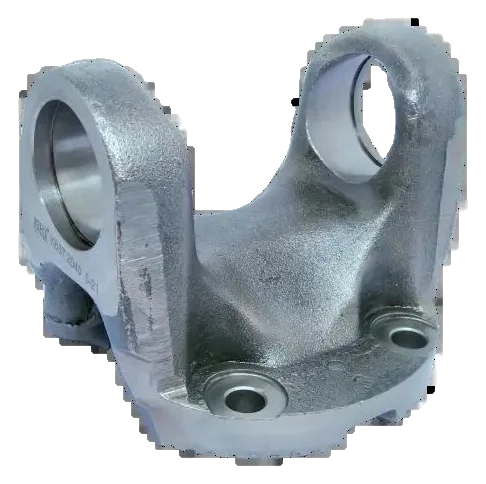
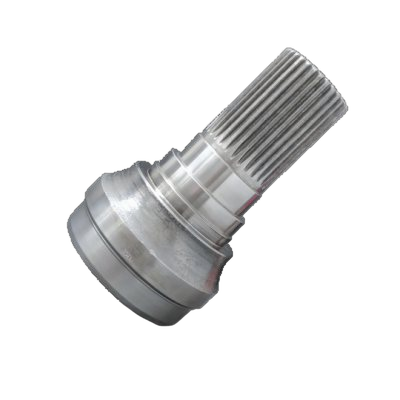
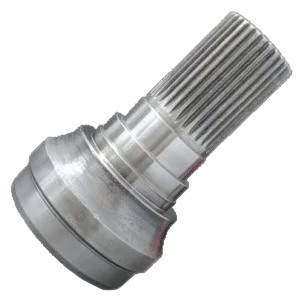
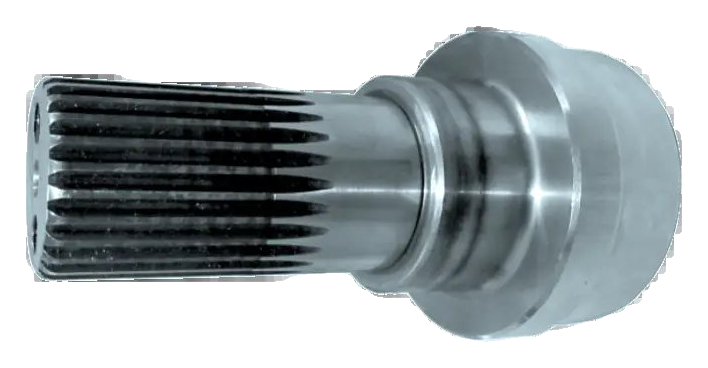
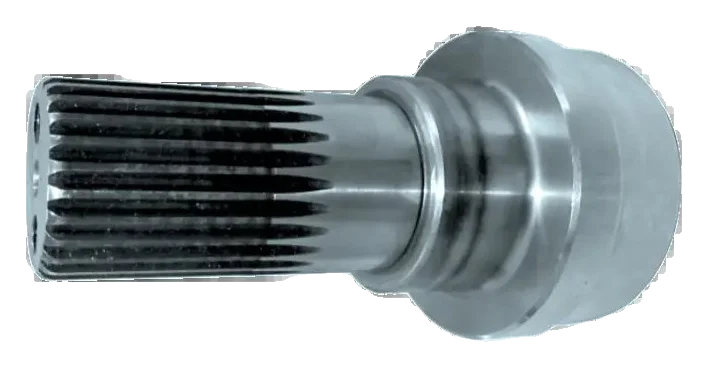
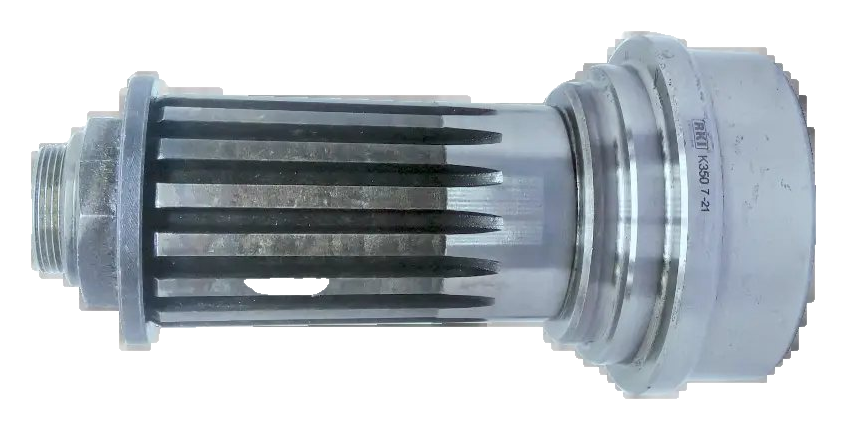
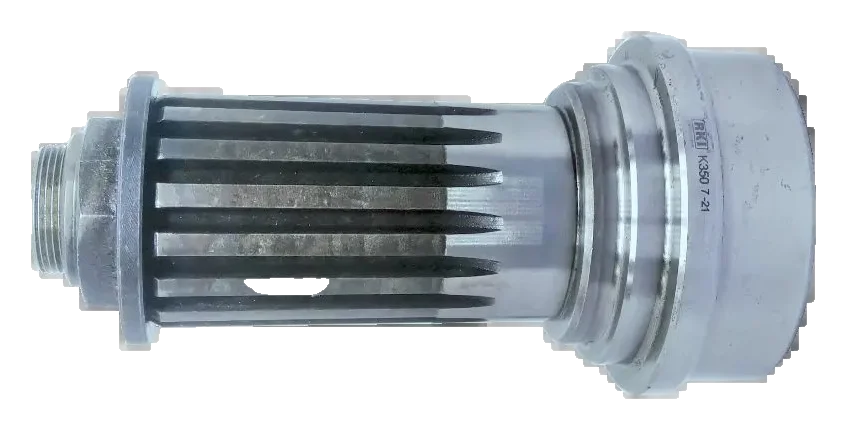
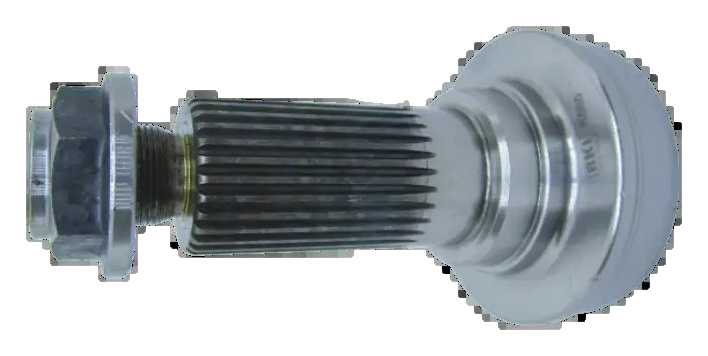
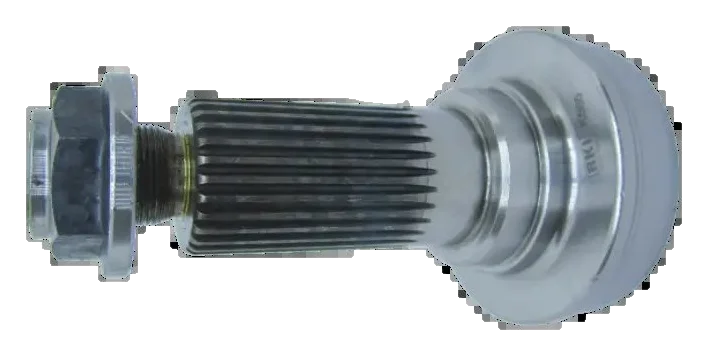
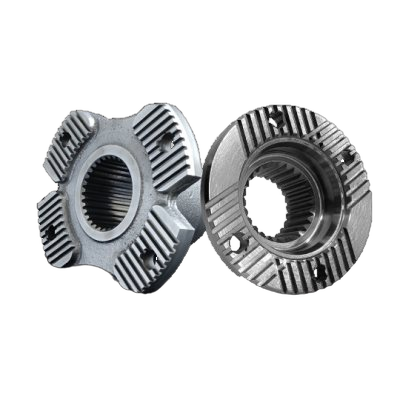
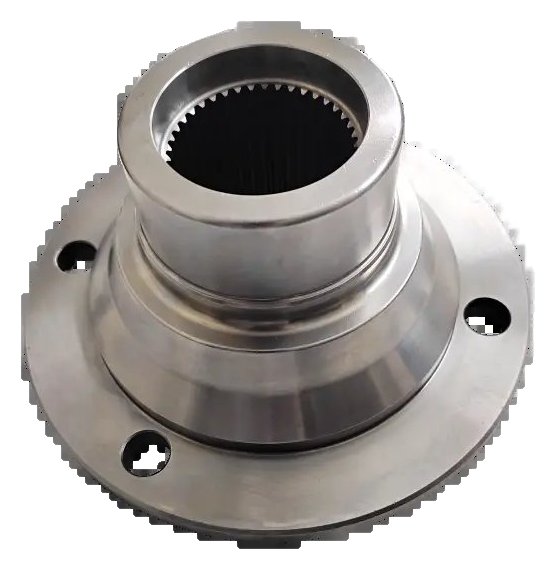
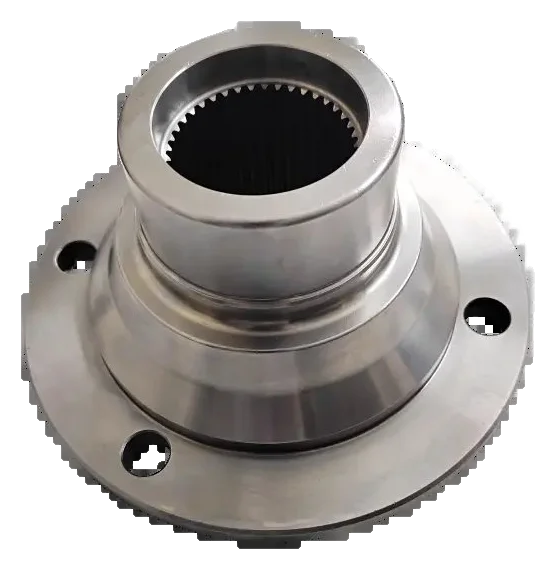
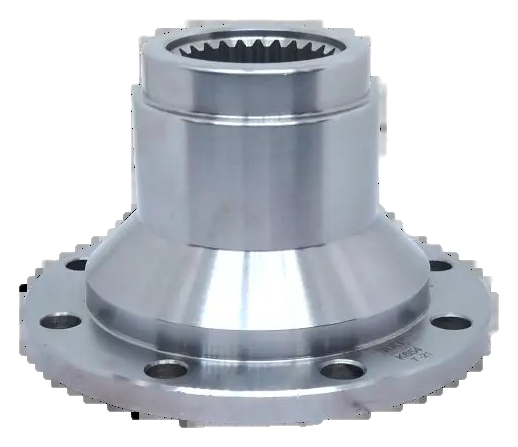
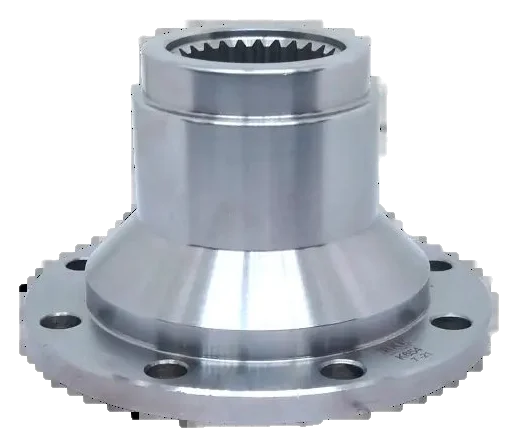
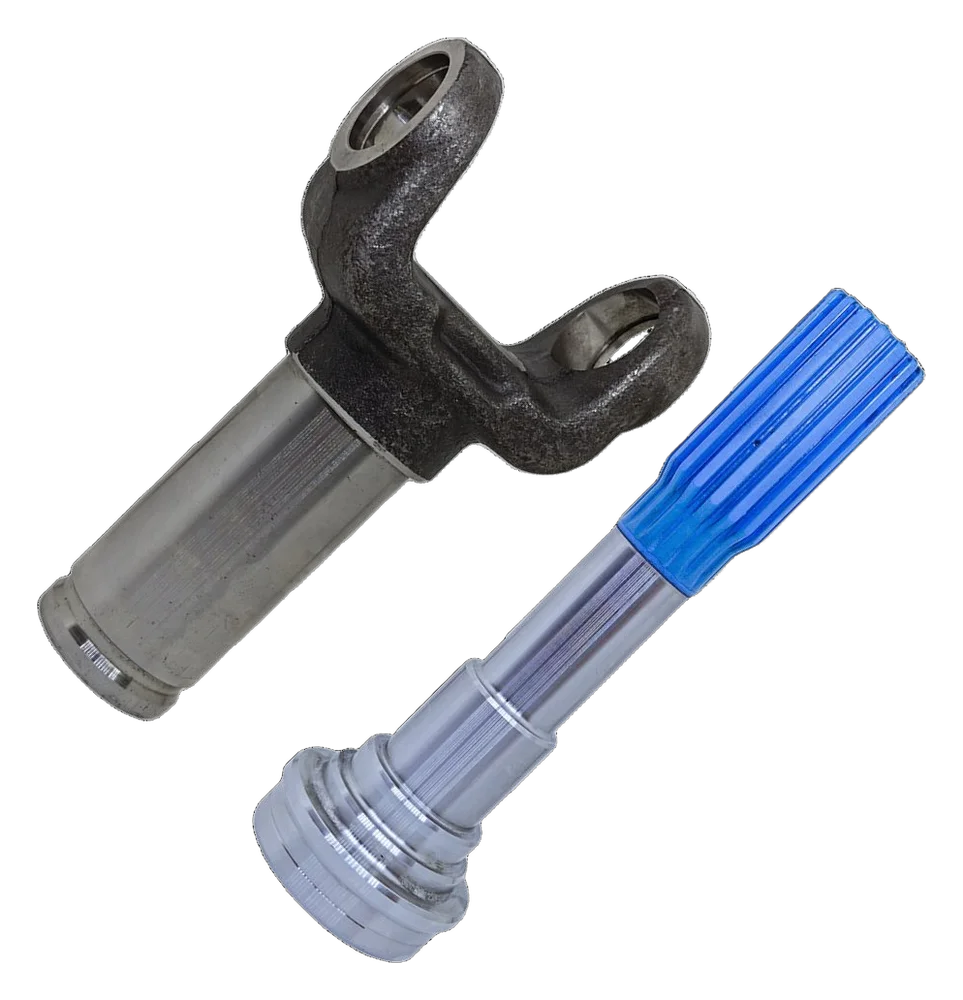
The crucial connection points where these multiple shafts link together are managed by Center Coupling Flanges and Flange Yokes.
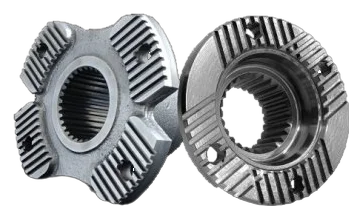
The Critical Need for Face Runout Precision
When bolting two propeller shafts together via a flange coupling, the mating faces must be absolutely flat. If a flange is warped by even 0.05mm, it creates an angular deviation in the driveshaft. At 2,500 RPM, that tiny deviation translates into violent driveline vibrations capable of shattering the center support bearing.
At MMW Auto Industries, our flange yokes and couplings are manufactured on high-precision VMC (Vertical Machining Center) mills. We test the "face runout" of every flange to guarantee a perfectly flush, perpendicular mating surface that eliminates vibrational anomalies.
Need High-Torque Flanges?
MMW provides OEM-equivalent forged flanges and couplings for Spicer and RSB drivelines.
Contact Sales TeamForged vs. Cast Flanges in Double Differential Setups
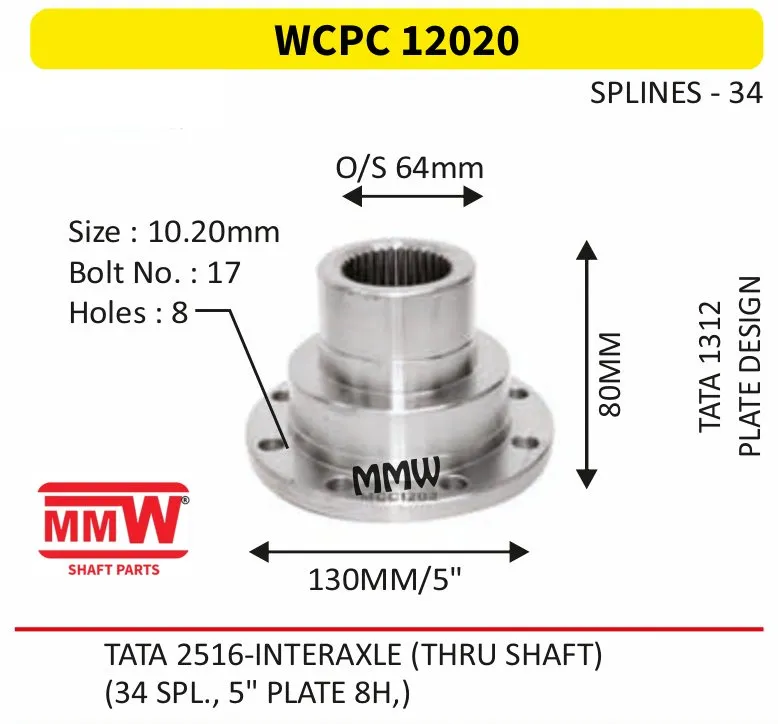
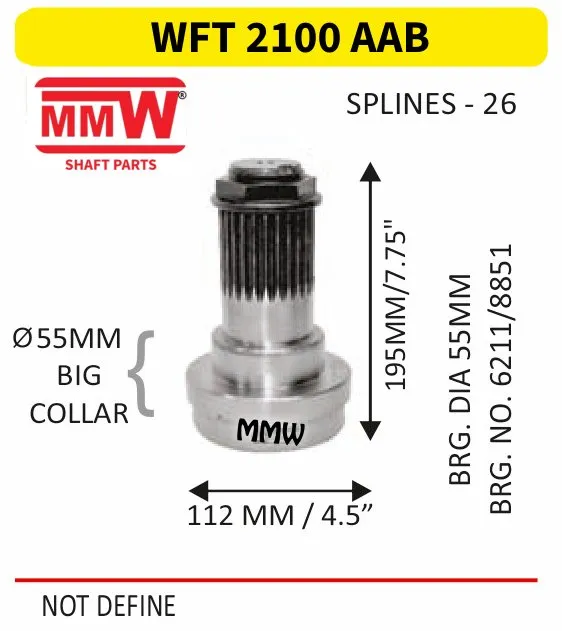
Heavy Commercial Vehicles (HCVs) with "double differential" (tandem drive) setups use interaxle shafts that transfer immense rotational energy from the forward-rear axle to the rear-rear axle. The flanges connecting these interaxle shafts face punishing shock loads.
Cast iron flanges are brittle and prone to cracking under these shock loads. This is why MMW exclusively utilizes forged alloy steel for our heavy-duty flange applications. The forging process aligns the grain structure of the steel, making it exponentially more resilient to the sudden torque spikes experienced when heavy trucks drive over rough, uneven construction sites.
The Center Bearing: Supporting the Split Shaft
A multi-piece propeller shaft doesn't just rely on strong flanges at its joints—it also needs a third point of support along its length. This is the job of the center bearing assembly, a rubber-cushioned bearing mounted to the vehicle's chassis crossmember that carries the connecting flange between the two shaft sections.
The rubber isolator in the center bearing mount absorbs torsional vibration and allows for minor angular flex as the chassis twists over uneven ground, so the flange coupling on either side of it isn't forced to carry bending loads it wasn't designed for. A worn or incorrectly specified center bearing is one of the most common causes of the mid-frequency vibration complaints that show up in multi-axle trucks and buses.
Balancing the Completed Assembly
Flange precision solves half the alignment problem—the other half is verifying the finished assembly as a whole. Once the individual shaft sections are joined through their flange couplings, MMW subjects the complete multi-piece assembly to the same 100% dynamic balancing process used across our entire propeller shaft range, rather than assuming that balanced individual sections automatically add up to a balanced whole. Any residual imbalance introduced at the joint itself is caught and corrected before the assembly ships.