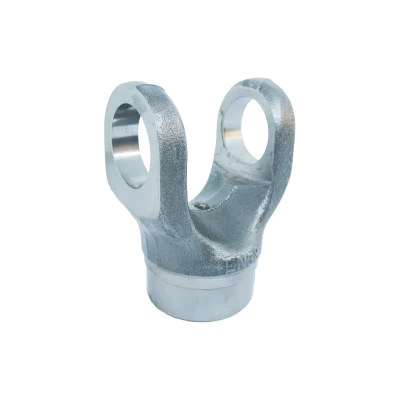
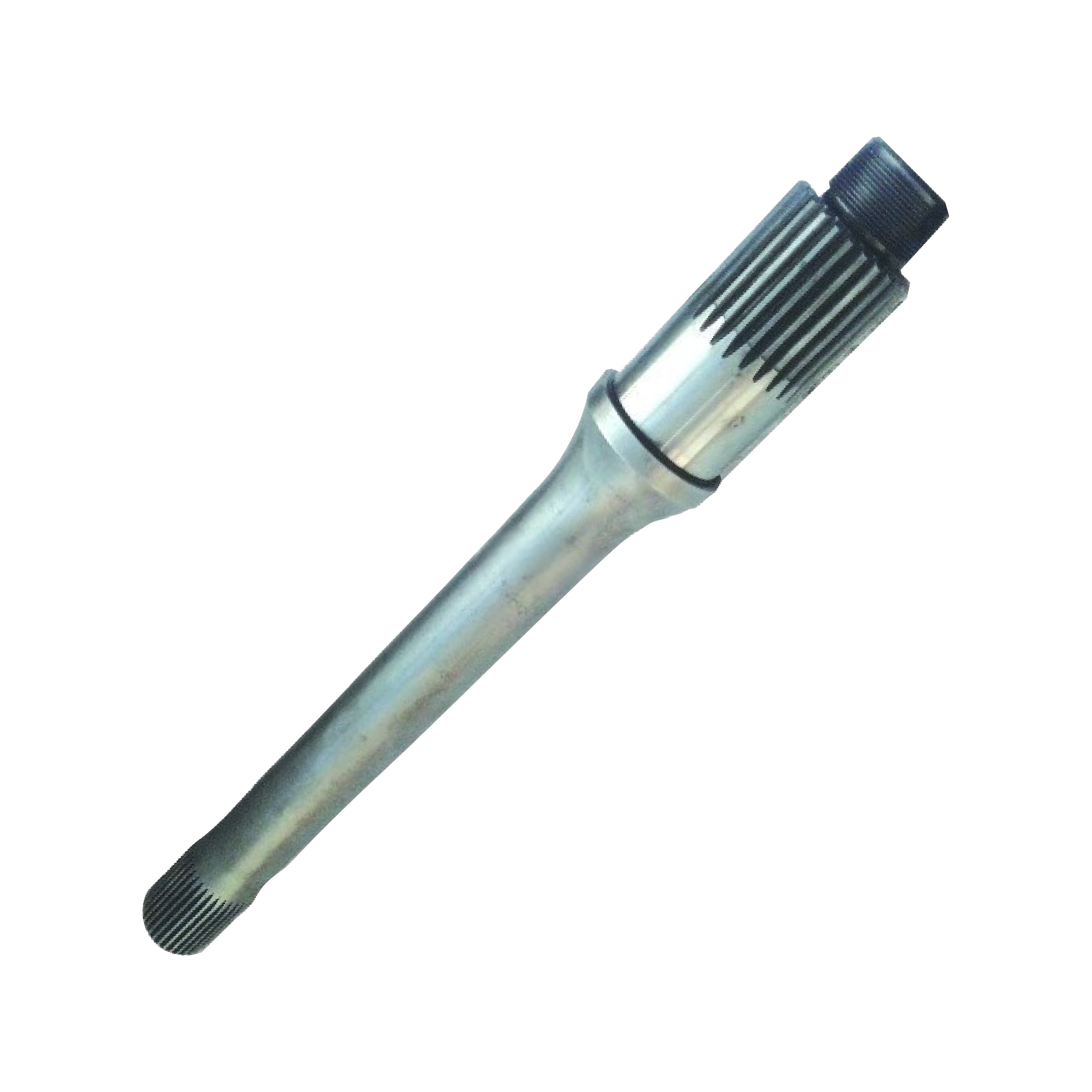
Ask what makes a marine propeller shaft different from a truck driveline and the first answer people reach for is "it's stainless steel." That's part of it, but it's not the interesting part. The interesting part is that a marine driveline runs continuously, in a hostile environment, with a completely different set of things trying to destroy it, and the engineering has to answer to all three of those facts at once.
Corrosion Is The Default Failure Mode, Not An Edge Case
A truck propeller shaft that gets wet occasionally deals with it and dries out. A marine shaft is either partially submerged, sitting in a bilge, or exposed to salt spray continuously, for its entire working life. That single difference reorders every material decision. Untreated carbon steel that would give a decade of service on a highway truck can develop meaningful corrosion in a marine environment within a season, and corrosion on a shaft isn't cosmetic — a pitted surface under a shaft seal is exactly where that seal starts leaking, and a pitted surface under a bearing is where fretting and premature wear begins.
This is why marine shafting is specified in corrosion-resistant grades and, where cost allows, finished or plated specifically at the sections that pass through seals and bearings — the two places a rough surface causes the most damage.
The Stern Tube Seal Changes Everything Downstream
A road vehicle's propeller shaft doesn't have to pass through the hull of a boat while keeping water out. A marine shaft does, via the stern tube, and that seal depends entirely on the shaft surface finish being both smooth and dimensionally consistent along its full length of travel. Any irregularity — a weld repair that wasn't properly finished, corrosion pitting, or a surface scored during installation — turns into a leak path directly into the vessel.
Downstream of the seal sits the cutless bearing, a rubber-lined bearing that is water-lubricated rather than grease-lubricated. This is a genuinely different bearing philosophy from anything on a truck driveline, and it has its own implications: the shaft has to run true enough that it doesn't wear the bearing unevenly, which puts alignment and straightness tolerances front and center in a way that a truck installation, with its universal joints absorbing angular misalignment, doesn't have to worry about to the same degree.
Continuous Duty vs Intermittent Duty
A truck driveline spends a meaningful fraction of its life stationary or coasting. A vessel under way is turning its shaft continuously, often for hours at a steady load, and vibration or imbalance that would be a mild annoyance on a road vehicle becomes a fatigue-accelerating, seal-destroying problem over a multi-hour run at sea. This is exactly why 100% dynamic balancing matters as much or more here than anywhere else in the product range — there is no idle period for a resonant vibration to settle down between load cycles.
Where The Engineering Stays The Same
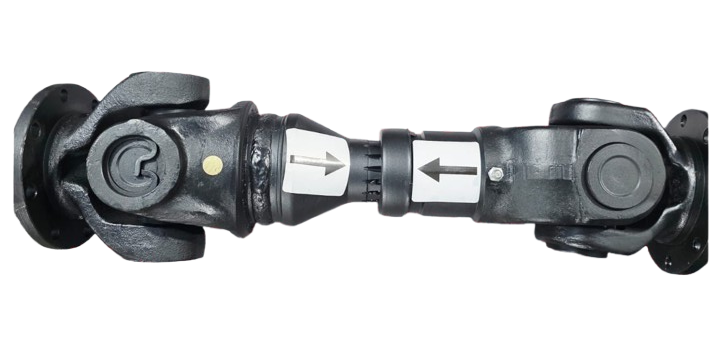
Underneath the marine-specific concerns, a lot carries straight over from road driveline engineering. If the vessel's driveline uses universal joints rather than a straight shaft to a stern gear, the same phasing and angle rules apply — see our piece on driveline angles and phasing for the underlying geometry. If the installation is long enough to need intermediate support, the same critical-speed logic that governs when a truck shaft gets split into two pieces applies to a marine shaft too, covered in our two-piece vs single-piece guide.
And the forging-vs-casting argument doesn't change either. A cast component with hidden porosity is a bigger liability on a shaft that sees continuous cyclic load for hours at a time than on one that mostly sees intermittent stop-start driving — see why we forge rather than cast for the metallurgy behind that decision.
Specifying A Marine Shaft?
Tell us the vessel type, shaft length, and the coupling or stern gear interface you're working to, and our engineers will work through the specification with you.
What To Have Ready When You Order
Shaft length between the coupling faces, shaft diameter, the type of stern gear or coupling at each end, and the vessel's continuous duty rating are the essentials. If you're replacing an existing shaft rather than specifying a new installation, the old shaft itself — corrosion pattern and all — tells an experienced fabricator a great deal about what went wrong and what to change in the replacement.