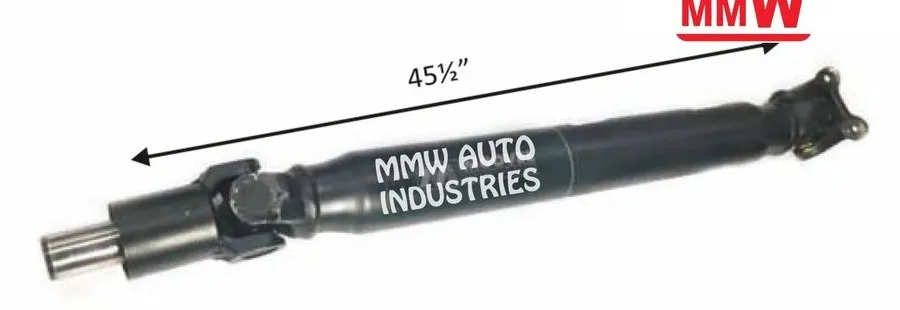
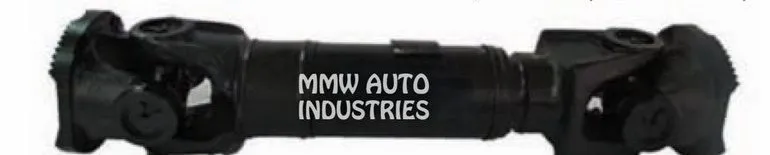
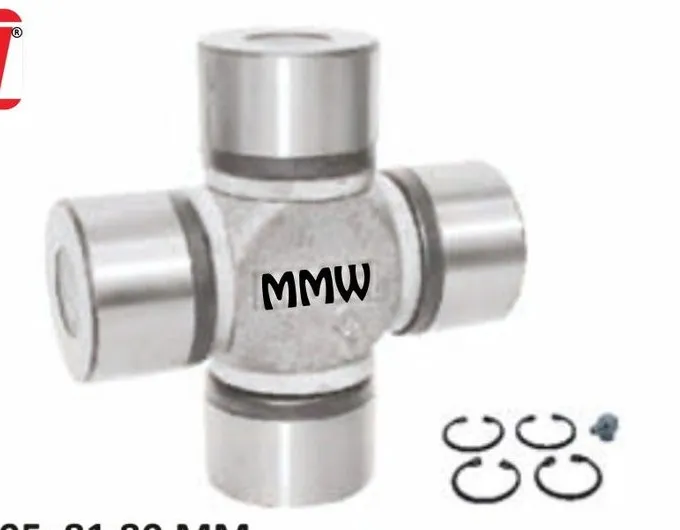
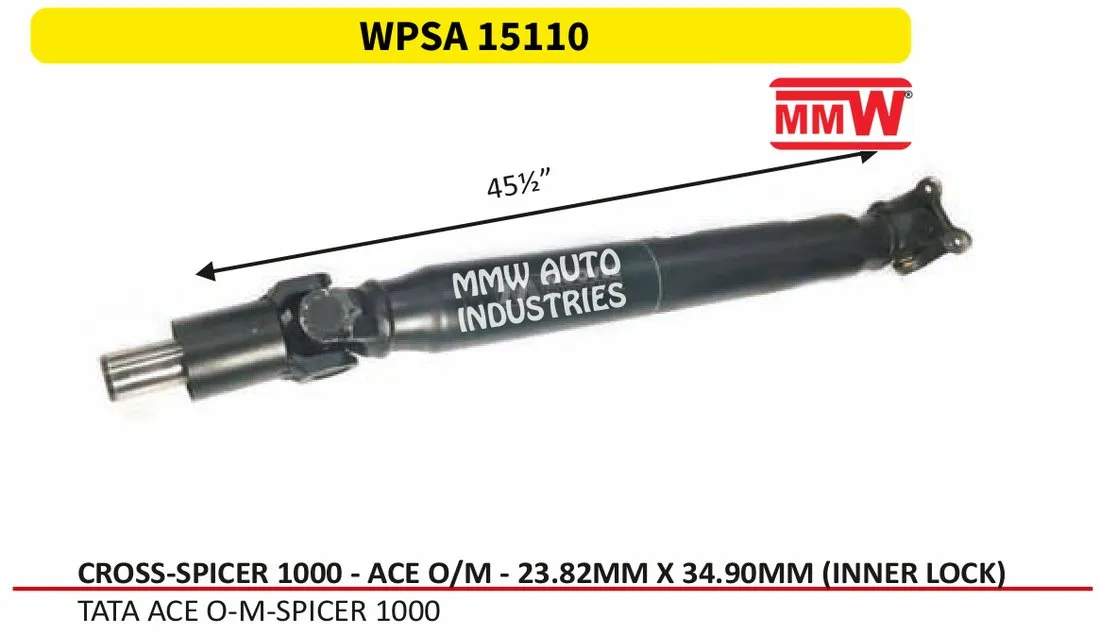
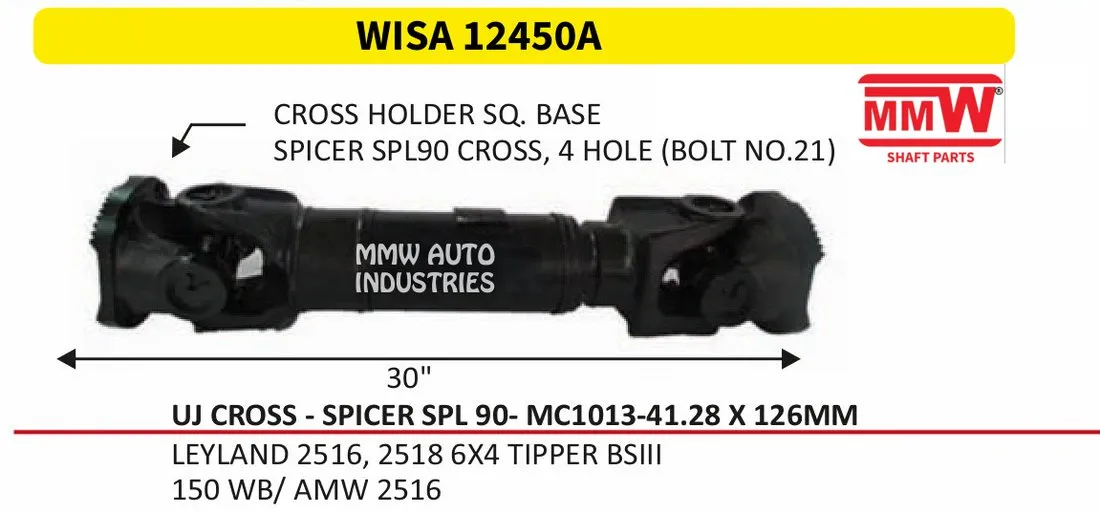
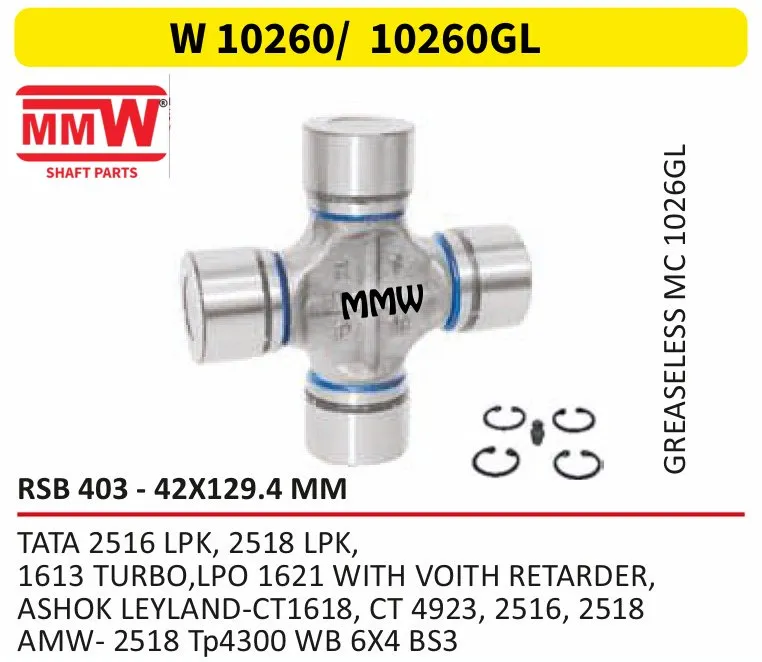
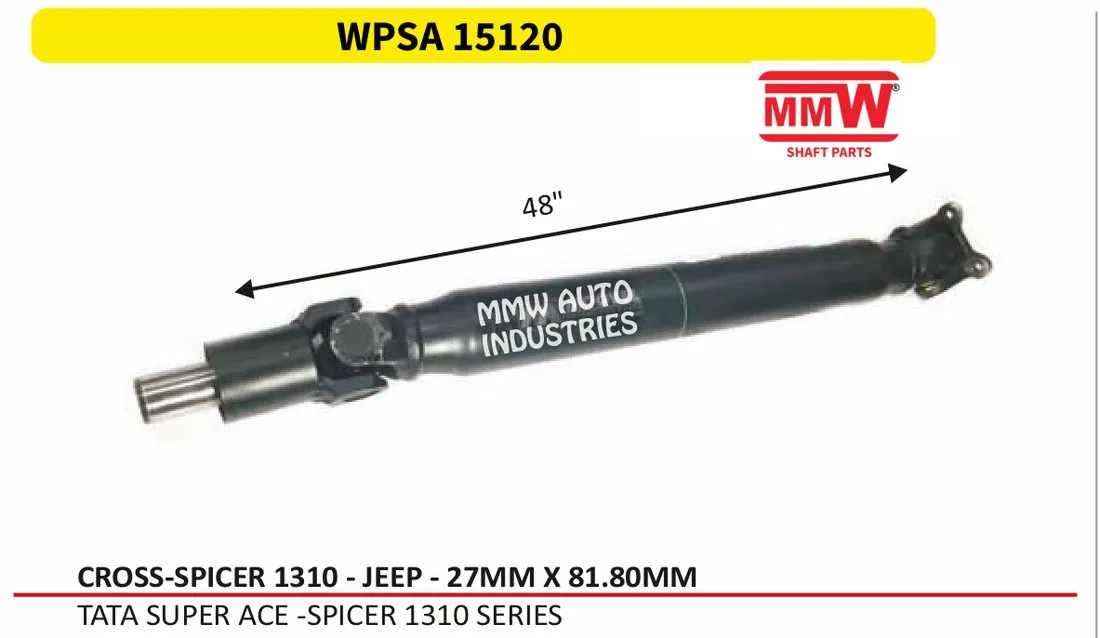
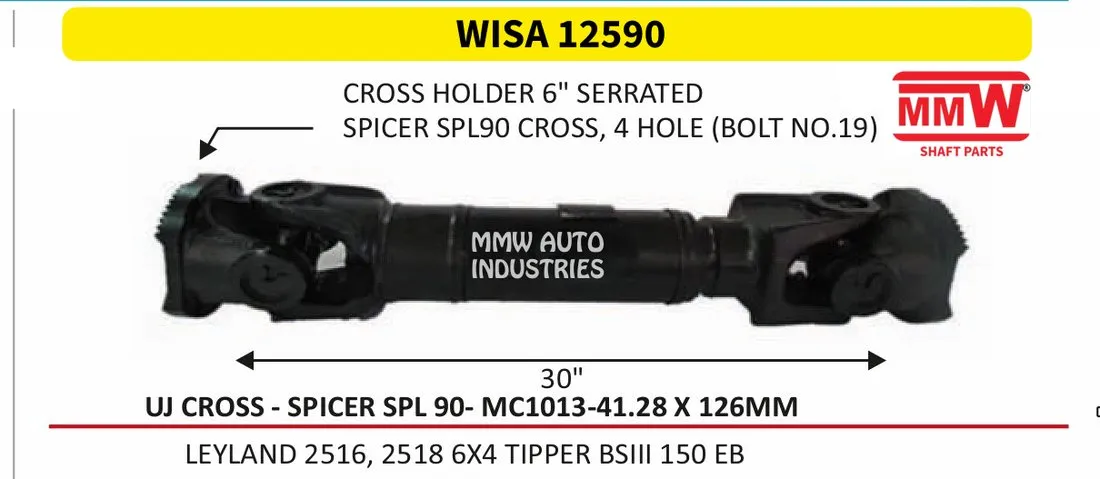
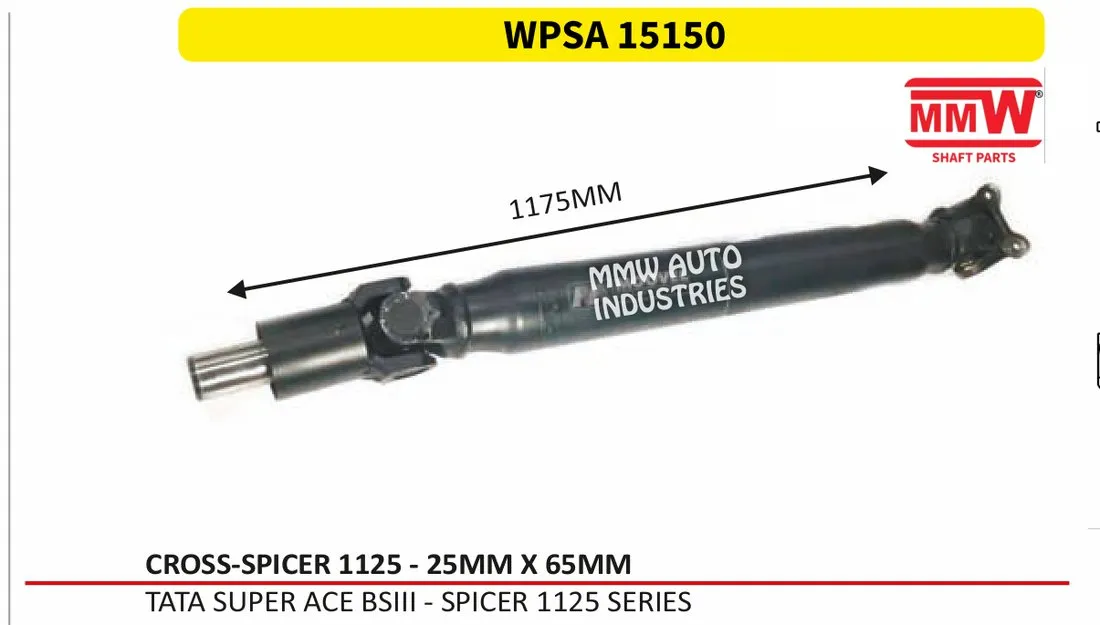
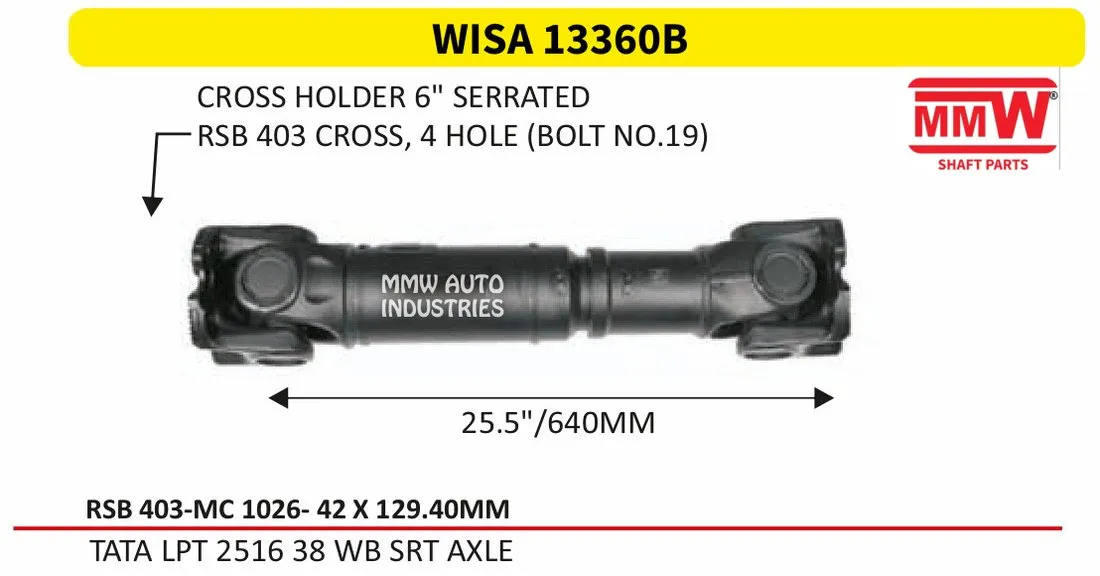
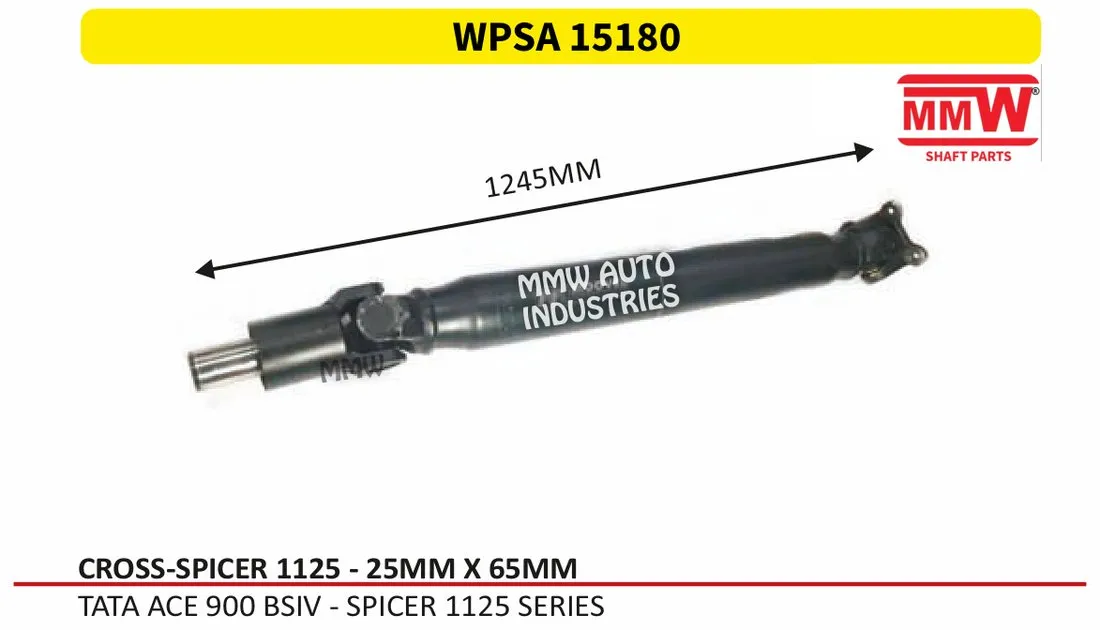
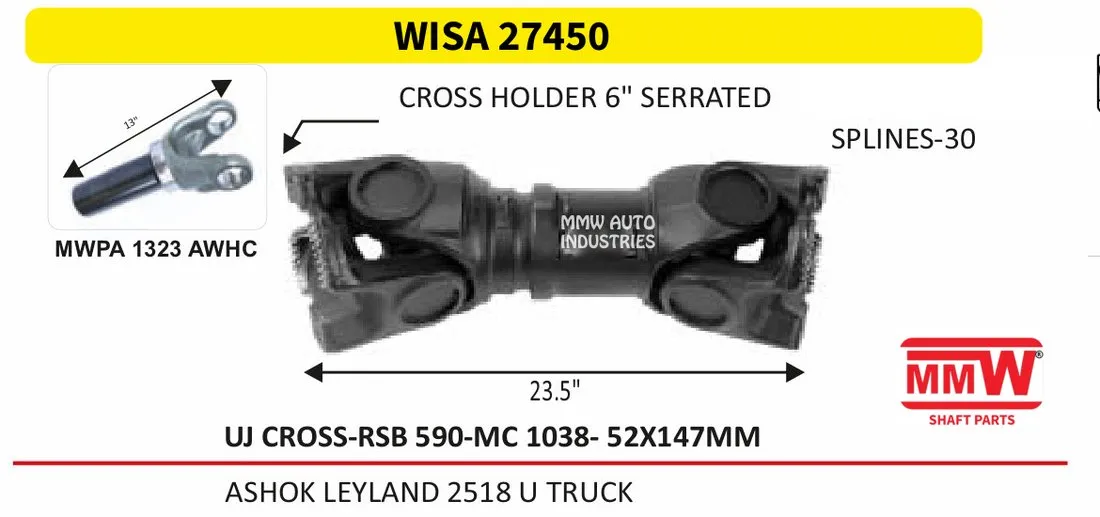
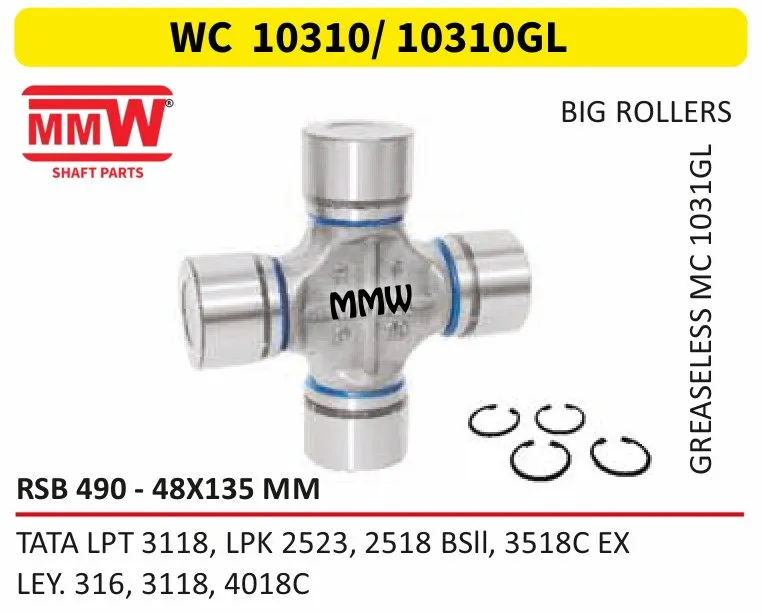
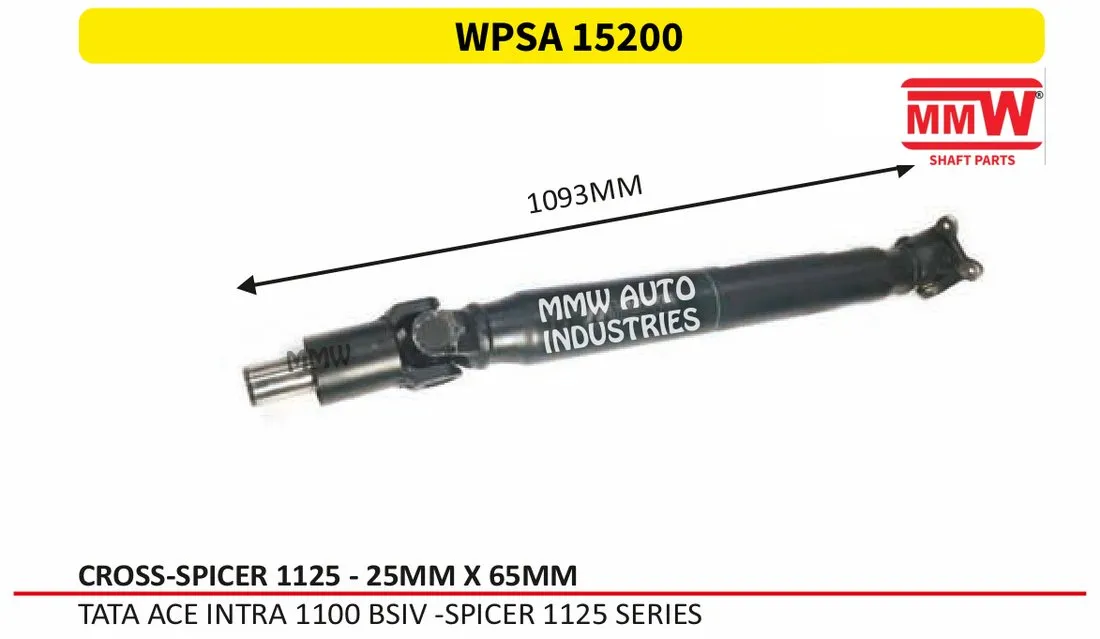
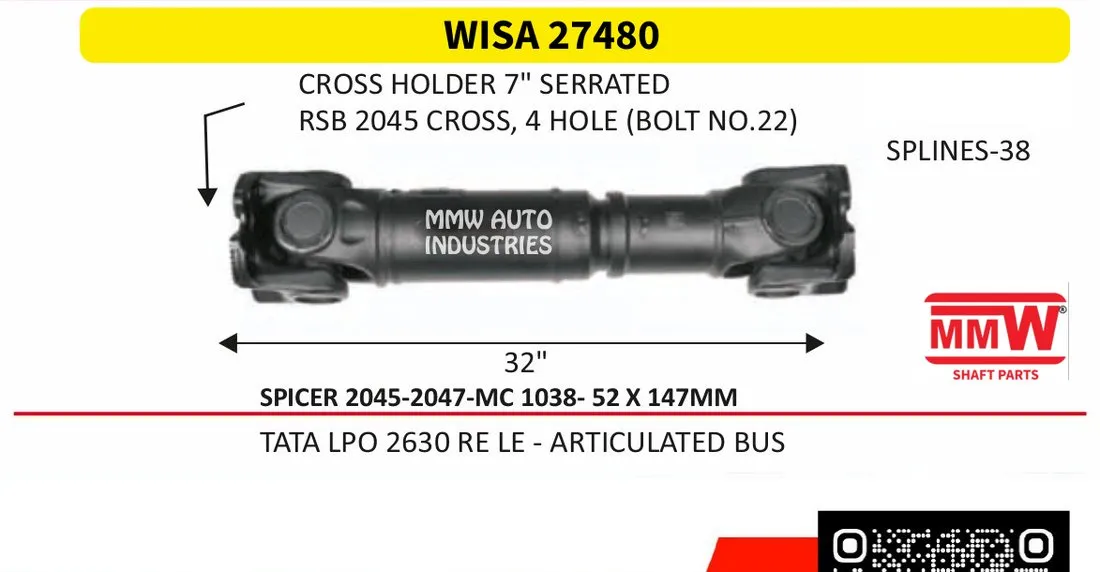
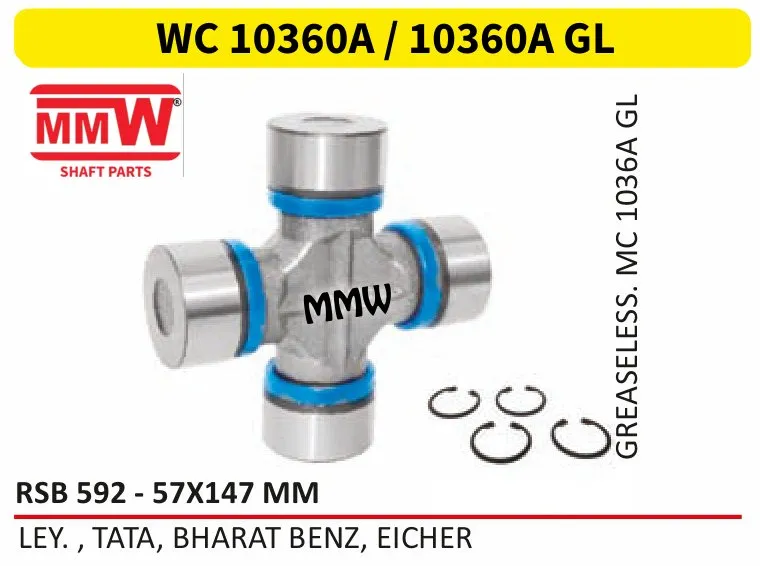
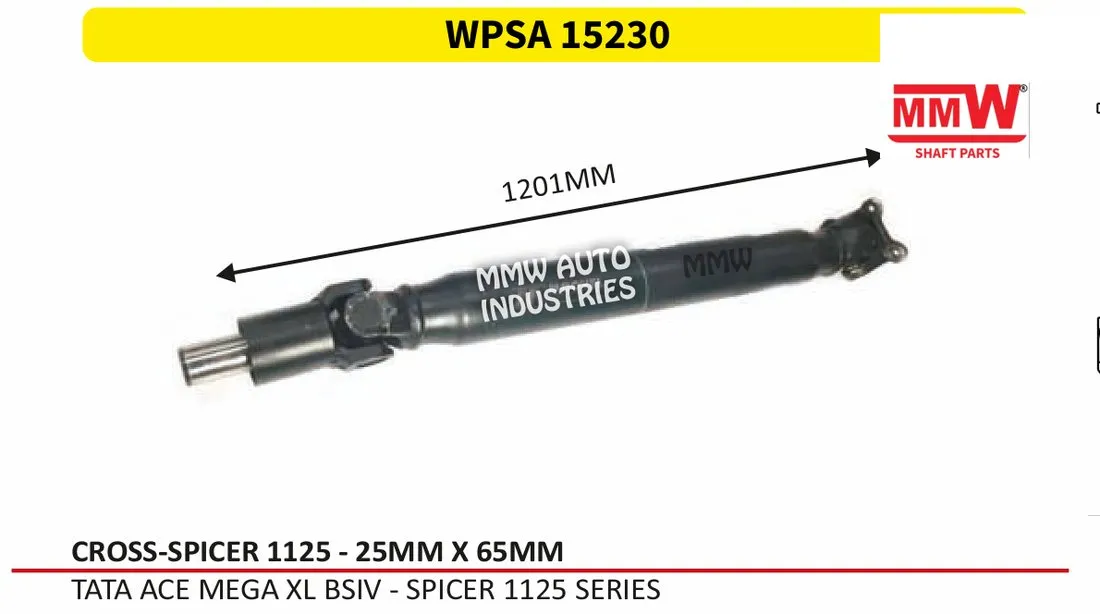
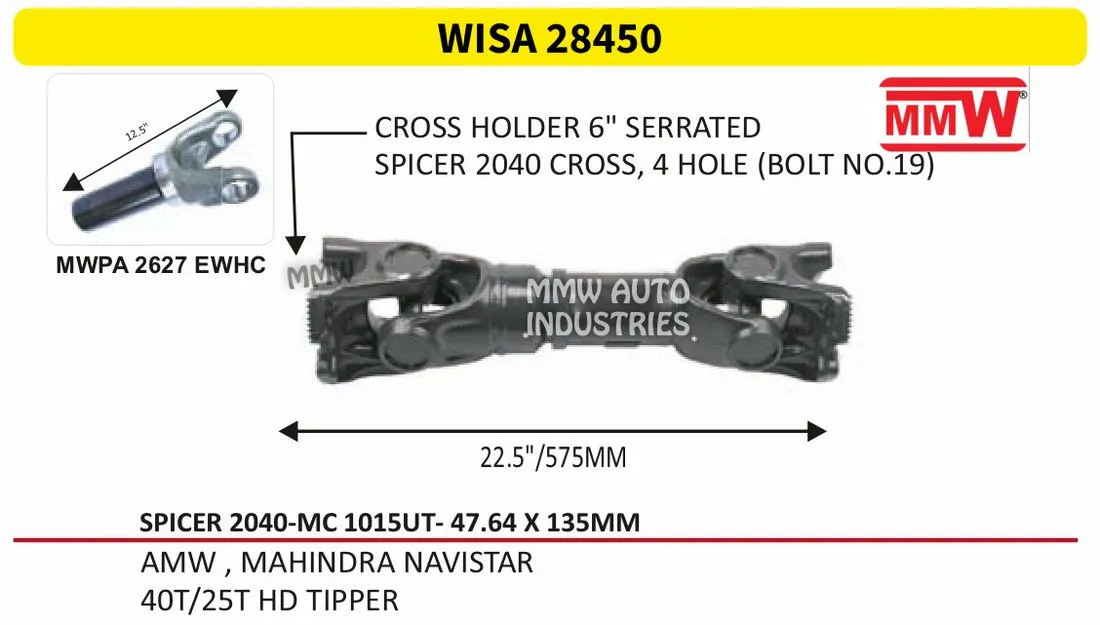
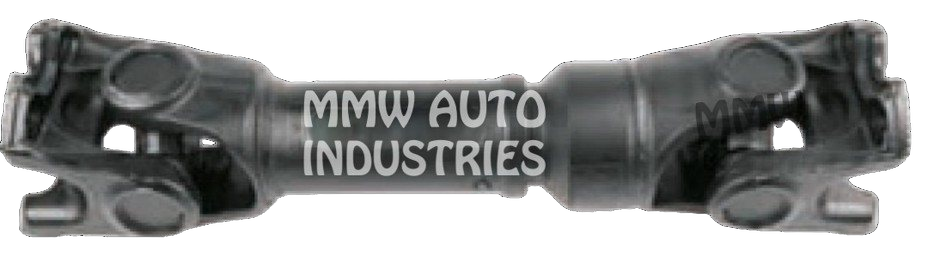
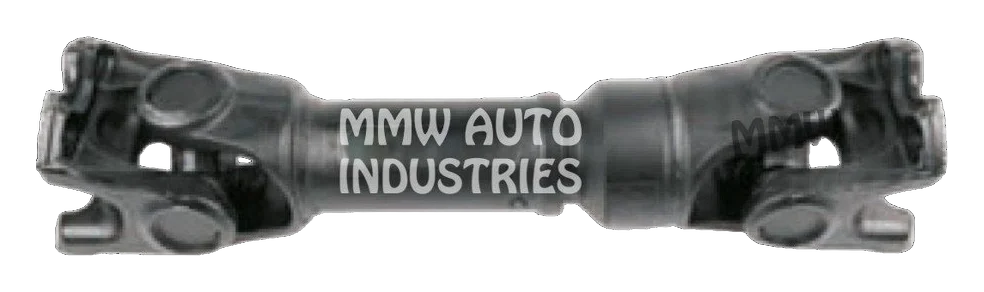
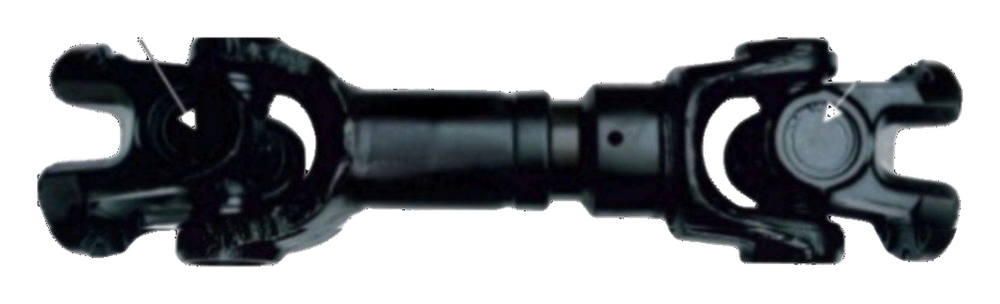
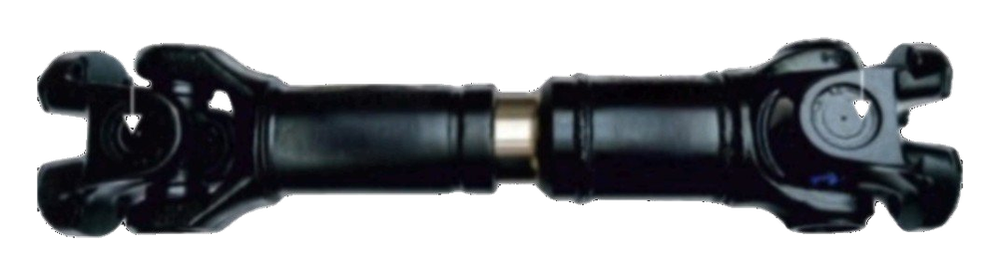
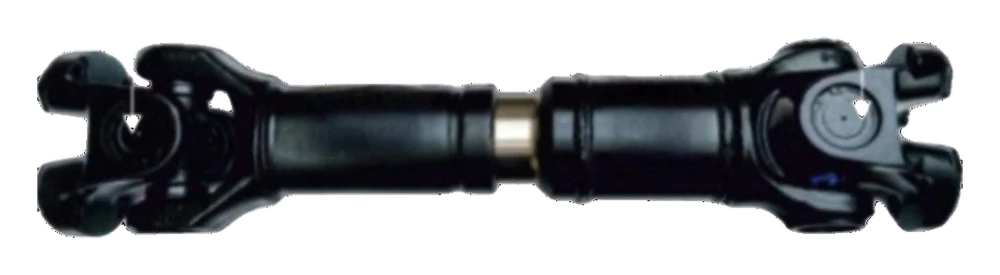
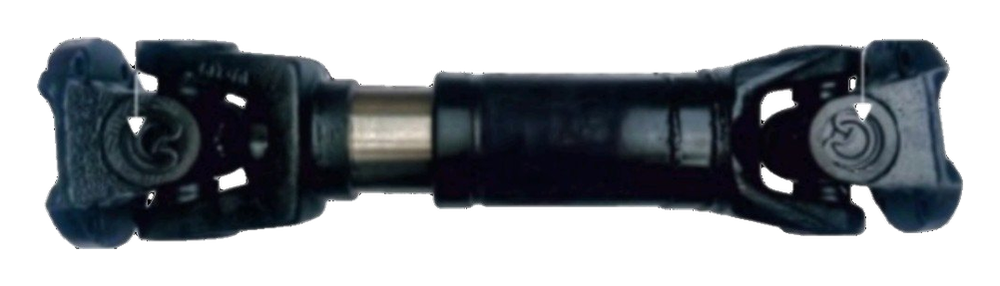
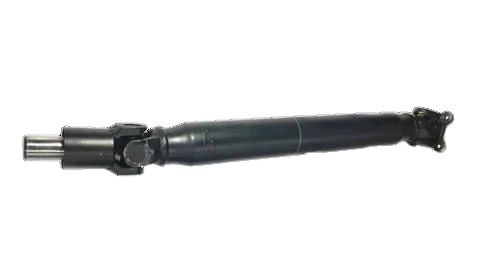
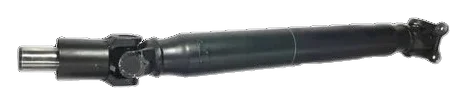
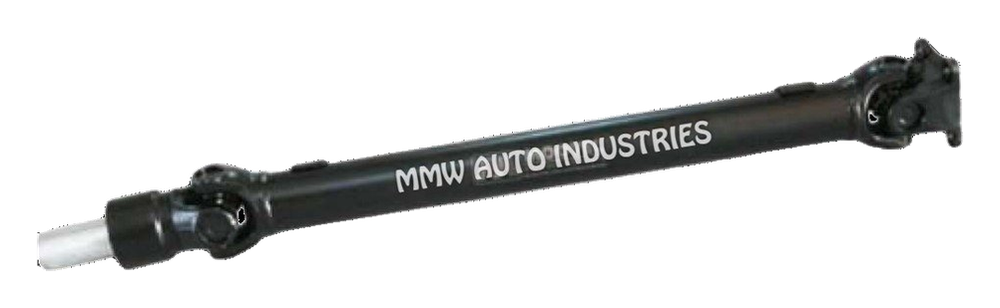
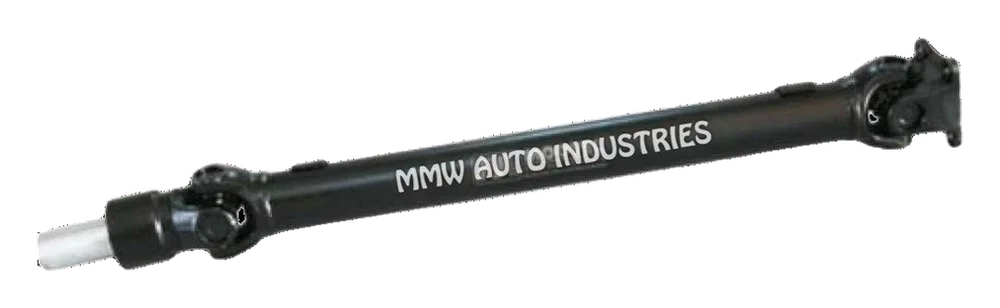
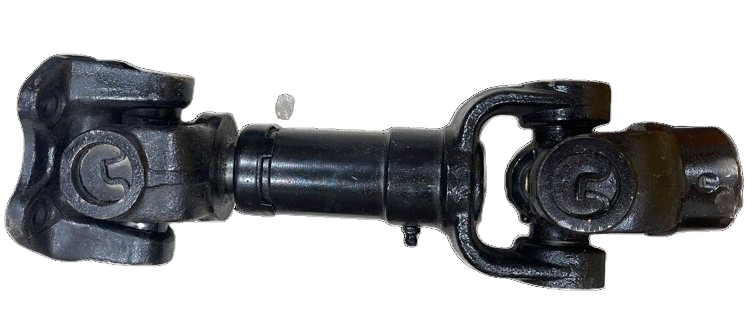
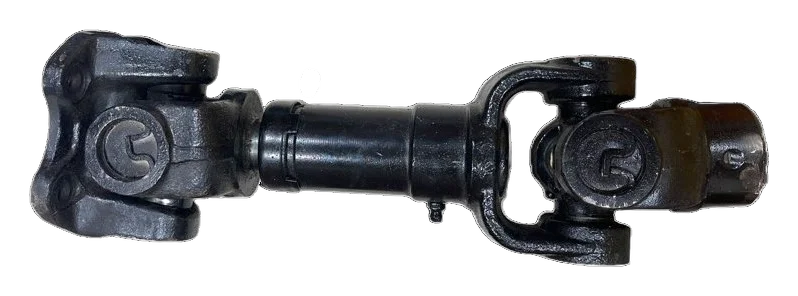
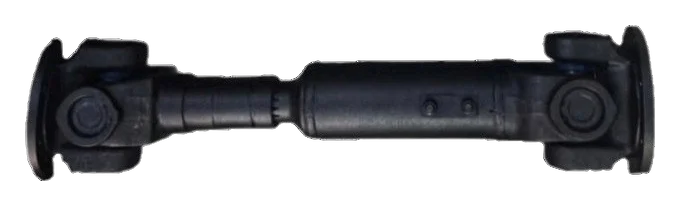
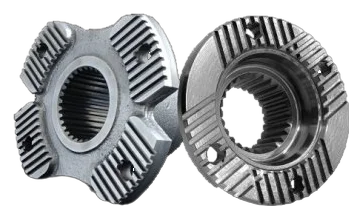
In the world of heavy commercial vehicles (HCVs) and industrial machinery, the propeller shaft (or driveshaft) acts as the critical bridge transferring immense torque from the transmission to the differential. Because it spins at high RPMs under extreme loads, even a microscopic weight imbalance can trigger a catastrophic chain reaction of vibration.
While some aftermarket manufacturers skip precision balancing to cut costs, the engineering team at MMW Auto Industries considers 100% dynamic balancing to be absolutely non-negotiable. Here is the science behind why.
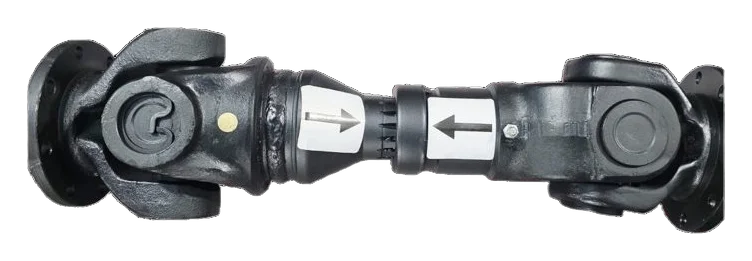
The Silent Killer: Driveshaft Vibration
When a propeller shaft is manufactured, tiny variances in tube thickness, weld seams, or the dense steel of the UJ crosses and yokes naturally create "heavy spots." If left uncorrected, these heavy spots generate centrifugal force as the shaft rotates.
At low speeds, this might feel like a mild shudder in the cabin. But at highway speeds, the vibration frequency multiplies exponentially. This vibration is the silent killer of a vehicle’s drivetrain, leading to:
- Premature Bearing Failure: The transmission tail-shaft bearings and pinion bearings absorb the brunt of the shaking, leading to rapid wear and eventual failure.
- Seal Leaks: Constant vibration warps oil seals, causing transmission and differential fluid leaks.
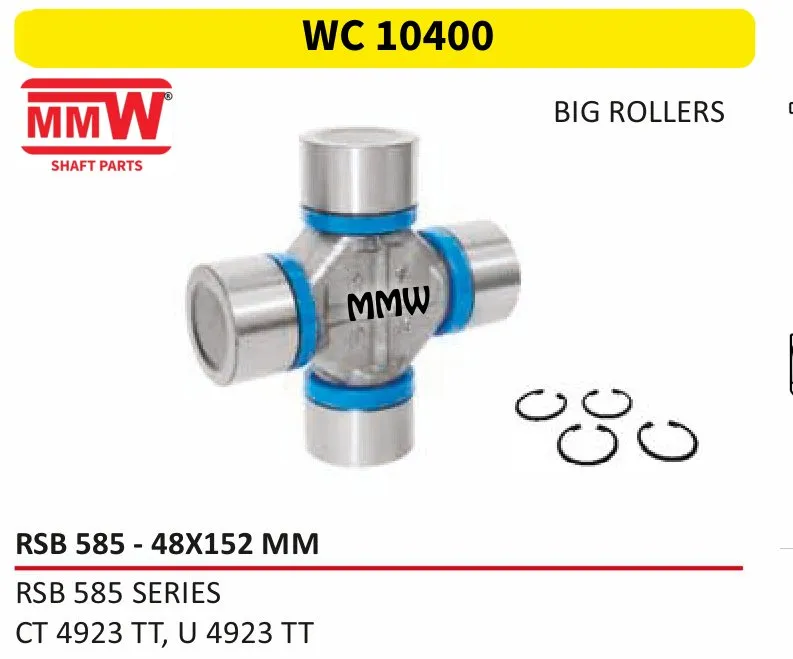
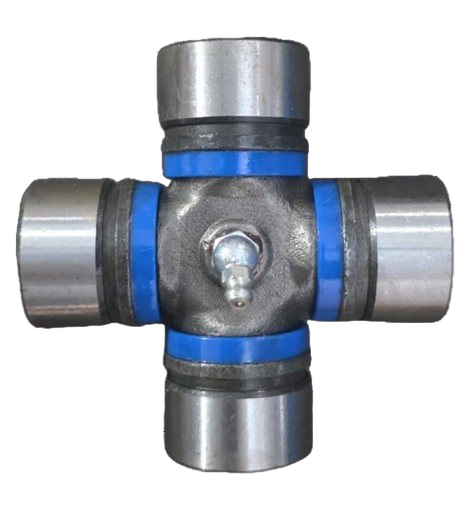
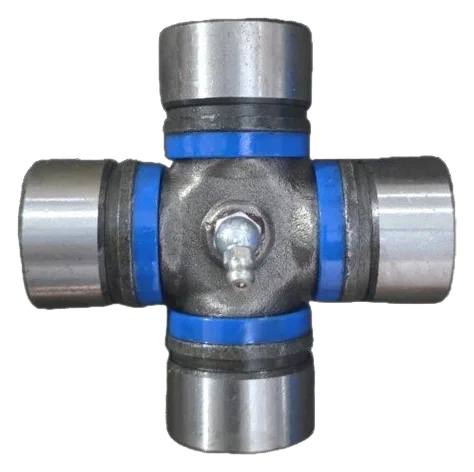
- U-Joint Destruction: The needle bearings inside the Universal Joint Crosses are crushed under the uneven oscillatory loads.
- Driver Fatigue: NVH (Noise, Vibration, and Harshness) directly impacts operator comfort and safety.
Static vs. Dynamic Balancing: What is the Difference?
There are two ways to balance a rotating object, but only one is acceptable for high-speed drivelines.
Static Balancing
Static balancing only measures weight distribution on a single plane (like balancing a bicycle tire). While it ensures the shaft won't roll to a heavy side when resting, it does not account for how the weight shifts when the shaft spins. This is insufficient for long propeller shafts.
Dynamic Balancing
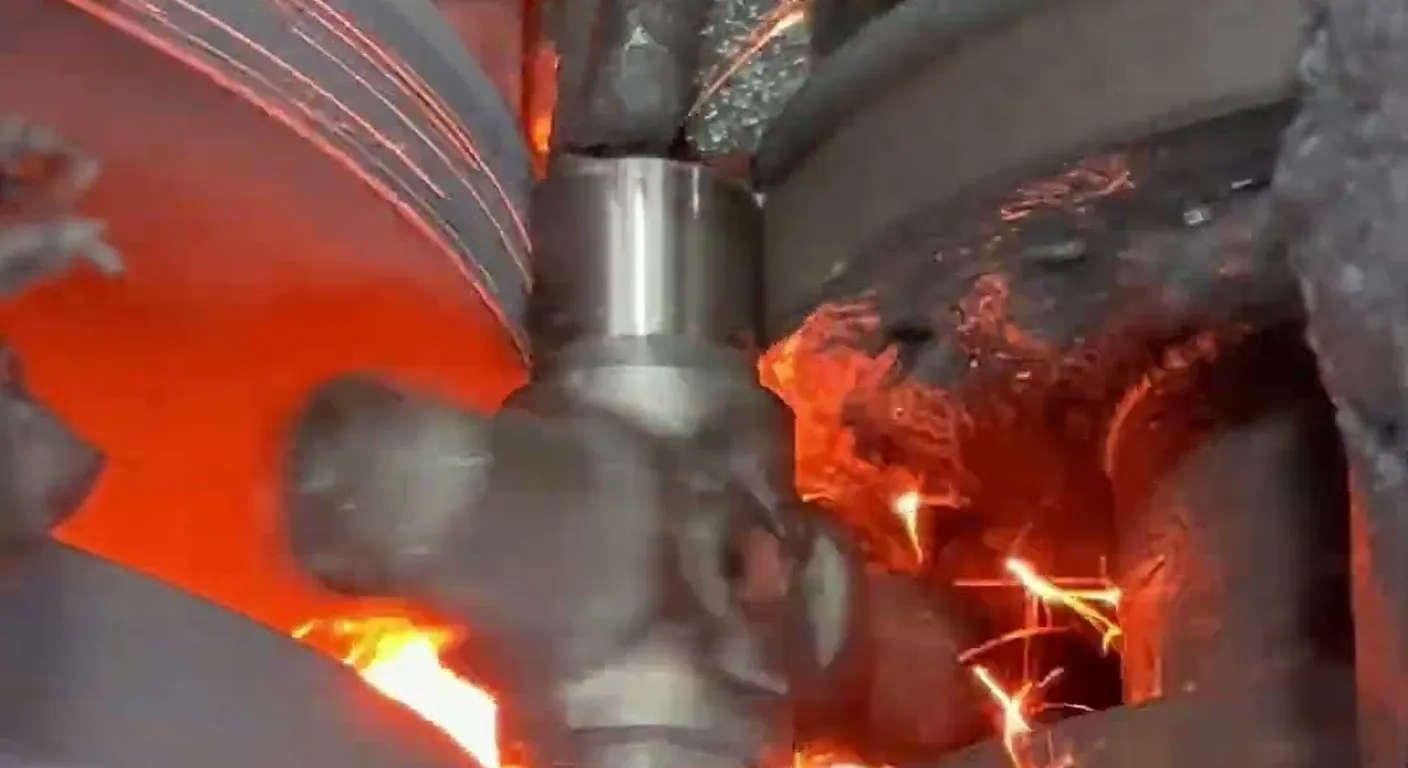
Dynamic balancing measures weight distribution across two or more planes while the shaft is spinning at operational speeds. Highly sensitive computer sensors detect exactly where the centrifugal forces are pulling, and precise counterweights are resistance-welded to the shaft tube to perfectly neutralize the imbalance.
Experience the Smoothness of Precision
Stop settling for cheap aftermarket shafts that destroy your transmission. Upgrade to an MMW dynamically balanced driveline today.
The MMW Auto Industries Standard
To rival the quality of OEM giants like Dana Spicer and RSB Global, MMW Auto Industries utilizes imported European dynamic balancing machines in our DSIDC Bawana facility.
- 100% Testing: We do not batch-test. Every single assembled propeller shaft is mounted on the balancing rig.
- Operational RPMs: Shafts are spun at their actual real-world operational speeds to ensure they remain perfectly smooth on the highway.
- Micron-Level Precision: Our digital rigs detect imbalances down to fractions of a gram, allowing our technicians to apply exact counterweights.
- Zero-Vibration Guarantee: A shaft does not leave our factory unless it passes the strict ISO 9001:2015 vibration tolerances.
The ROI of Buying a Balanced Shaft
For fleet owners and B2B auto parts distributors, the Return on Investment (ROI) of a perfectly balanced shaft is massive. While a precision-balanced OEM-grade shaft might cost slightly more upfront than a low-tier aftermarket alternative, it extends the lifespan of the entire driveline by up to 40%.
You save money by eliminating premature U-joint replacements, preventing expensive transmission bearing repairs, and keeping commercial vehicles out of the shop and on the road making money.
When it comes to high-torque drivelines, quality is never expensive. It is priceless.