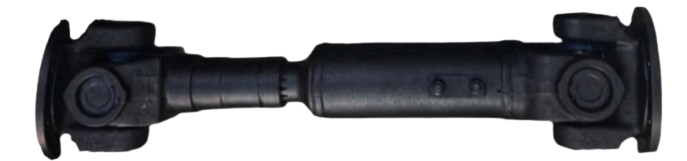
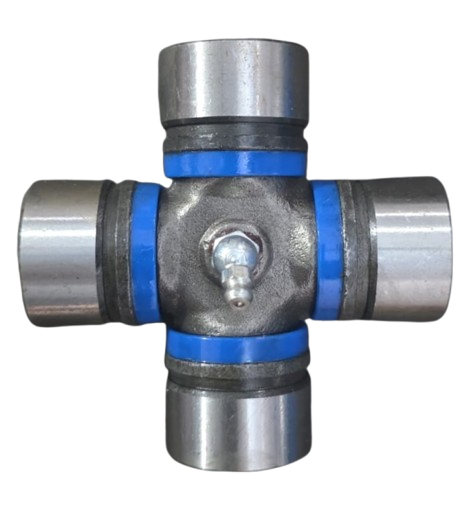
A propeller shaft rebuild means fitting new crosses, bearing cups, and typically a new center bearing where applicable into the existing tube and yokes, rather than replacing the whole assembly. It's a legitimate, common repair — but it's not automatically the right or cheaper call, and knowing when it stops making sense saves a second failure a few months down the line.
When A Rebuild Is The Right Call
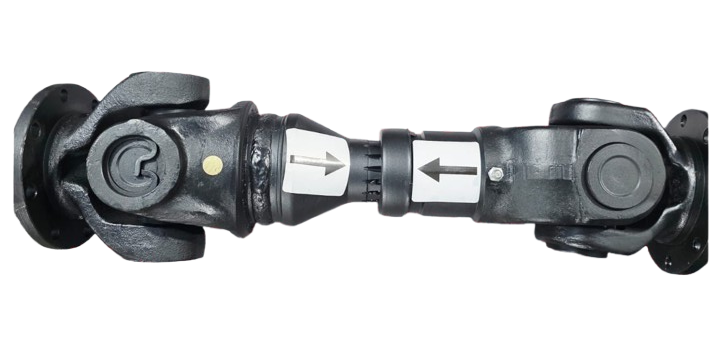
If the tube is straight, the yokes and cross holders show no bore elongation or cracking, and the only issue is worn crosses or a failed center bearing, a rebuild replaces exactly the components that failed while reusing structurally sound parts. This is most often the case on a shaft that's failed once, on schedule, from normal wear rather than from an impact or a long period of neglect. Check for the wear signs covered in our guide on identifying a worn UJ cross and confirm the holder itself is sound before committing to this route — see our piece on cross holders vs UJ crosses for what to check on each.
When Rebuilding Is False Economy
Three situations make a rebuild the more expensive option in the long run, even though it looks cheaper on the invoice:
- Multiple failure points on the same shaft. A shaft with play in more than one joint, or a joint plus a worn slip spline, has usually been run with a compounding problem for a while — geometry issues, a missed maintenance interval, or both. Rebuilding just the obviously failed parts without addressing the underlying cause tends to produce a second failure sooner than expected.
- Visible corrosion or pitting on the tube or yoke surfaces. Rust doesn't stop once you've replaced the bearings sitting near it. A tube that's corroding is a shaft with a shortening remaining life regardless of what's inside the joints.
- Unknown balance history. A rebuild that doesn't include re-balancing the completed assembly reintroduces exactly the vibration risk covered in our guide on dynamic balancing. Fitting new crosses without rebalancing the shaft as a unit is a common shortcut that undermines the whole point of the rebuild.
The Question That Actually Decides It
Ask what caused the failure, not just what failed. A joint that wore out on schedule after years of correct maintenance is a straightforward rebuild candidate. A joint that failed early, especially alongside other symptoms, points to a geometry or duty-cycle problem covered in our guide on realistic service life expectations — and rebuilding without fixing that underlying cause just restarts the same clock.
Not Sure Which Way To Go?
Send us photos of the joint, the tube, and the yoke bores. We'll tell you honestly whether a rebuild is sound or whether you're better off with a new assembly.
A Note On Aftermarket Rebuild Components
The quality gap between OEM-grade and low-cost aftermarket replacement crosses and bearing cups is exactly the gap covered in our OEM vs aftermarket comparison. A rebuild using inferior replacement components can fail faster than the original part did, which defeats the purpose of choosing a rebuild over a full replacement in the first place.