This is one of the most common questions we get, and the honest answer is unsatisfying: it depends, and it depends on things that have nothing to do with the part number. Two identical shafts, built on the same line from the same batch of steel, can have wildly different service lives depending on how the vehicles they're fitted to are used and maintained. What follows is what actually moves the needle, in roughly descending order of how much control you have over it.
Maintenance Interval Is The Biggest Lever You Actually Control
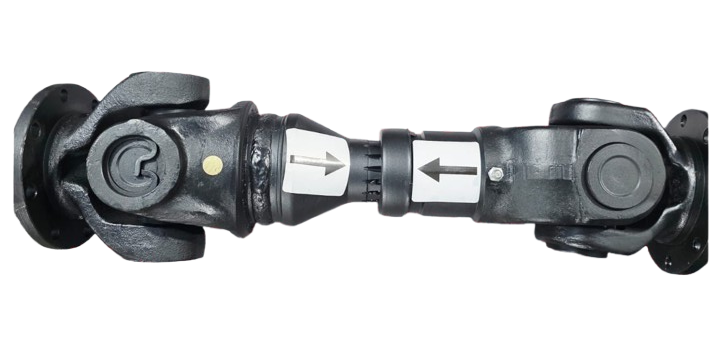
Universal joints and slip splines are wear items by design — they have moving parts that need grease, and grease gets consumed and contaminated over time regardless of how well the joint was built. A driveline greased on schedule routinely outlasts an identical one that's neglected, by a wide margin, because most of the failure modes we cover in our maintenance guide — dry bearings, spline wear, seal failure — are directly caused by inadequate lubrication rather than by the part simply wearing out from use.
Duty Cycle Matters More Than Distance
A shaft on a highway truck running steady loads at a consistent speed sees a very different life than one on a tipper doing constant stop-start work on rough haul roads, even if both cover similar total distance. Shock loading — the kind a loaded tipper experiences reversing onto soft ground, or a JCB loader driving into a face — fatigues components far faster than steady-state torque of the same average magnitude. This is exactly why we forge rather than cast our crosses; the metallurgy behind that decision, covered in forged vs cast, exists specifically to survive shock loading that a casting would eventually crack under.
Driveline Geometry Sets A Ceiling On Everything Else
A shaft running at excessive angle, or reassembled out of phase after a repair, is working against itself from day one regardless of how well it's maintained or how gently it's driven. The velocity fluctuation a universal joint produces grows sharply with angle, and a shaft fighting that fluctuation continuously will fatigue and wear faster than one running at a well-set-up angle, no matter what grease schedule it's on. We cover this in detail in our guide to driveline angles and phasing — it's worth checking before assuming a short-lived shaft was simply a bad part.
What The Manufacturing Actually Controls
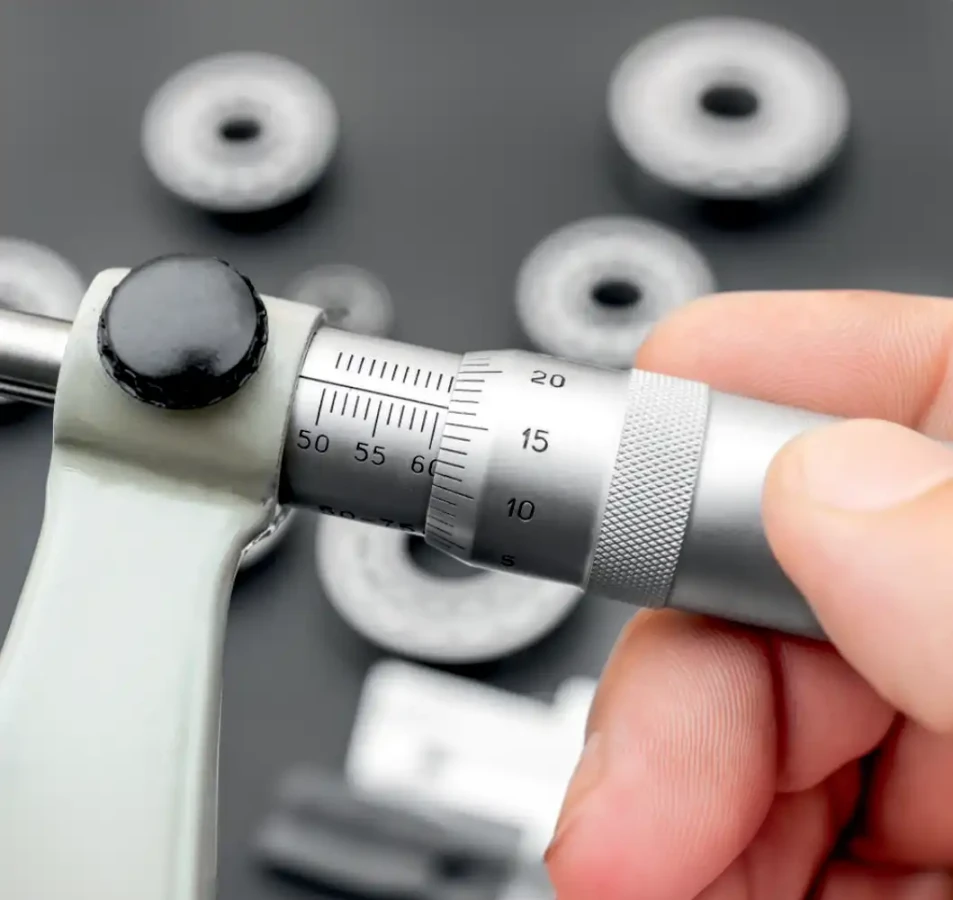
Given a reasonable duty cycle, reasonable maintenance, and correct geometry, what the manufacturer controls is the starting point: material grade, case-hardening depth on the cross trunnions, dimensional precision of the splines and bearing bores, and whether the finished assembly was actually balanced or just built to a nominal spec and hoped for. At MMW every shaft is dynamically balanced 100%, not batch-sampled — see why that distinction matters — precisely because an unbalanced shaft introduces a vibration that accelerates wear on every other component in the driveline from the day it's installed, regardless of how good the individual parts are.
Replacing A Shaft That Failed Early?
Tell us the application and roughly how long the old shaft lasted. Often the fastest way to extend the next one's life is fixing the geometry or duty-cycle issue that shortened the last one.
The Honest Bottom Line
If a shaft is failing well before you'd expect based on comparable vehicles in your own fleet, the part itself is rarely the first thing to suspect — geometry, maintenance interval, and duty cycle explain the overwhelming majority of premature failures we're asked to investigate. Fixing the underlying cause, not just swapping in another shaft, is what actually gets you a long service life the second time around.