India has a large and genuinely capable base of driveline component manufacturers, and it also has a large number of trading intermediaries presenting themselves as manufacturers. For an overseas buyer evaluating suppliers from a distance, the two can look identical on a website. Here's what actually separates them, and what to nail down before a first order.
Ask To See The Factory, Not Just The Catalog
A real manufacturer can show you machining, testing, and finishing operations happening on their own floor — CNC turning, spline broaching, induction hardening, dynamic balancing — because they own the equipment doing it. A trading company reselling someone else's production can only show you finished goods and a catalog. Video calls have made this verification far easier than it used to be; a supplier unwilling to show their actual production floor on a call is worth treating with caution regardless of how polished their marketing materials are. See our infrastructure page for the kind of detail a genuine manufacturer should be able to show you.
Certification Should Be Verifiable, Not Just Claimed
ISO 9001:2015 certification is common in this industry, and it should be checkable against the certifying body's own records, not just a logo on a website. MMW's certification is issued by TUV SUD Germany — ask any supplier who the certifying body is and confirm it independently before assuming the claim is accurate.
Sample Before You Commit To Volume
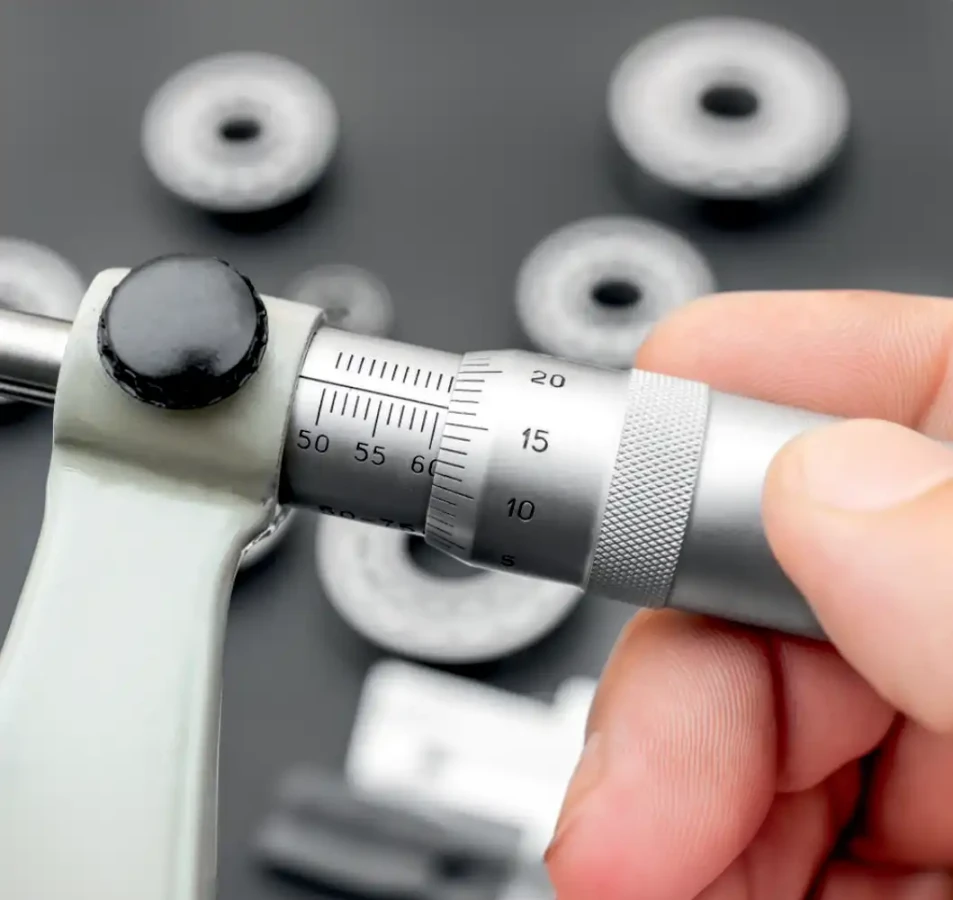
A sample order, inspected properly on arrival, tells you more about a supplier's actual quality control than any conversation will. Check dimensional accuracy against your specification, check the balance quality if the part is a complete shaft, and check the material and finish match what was quoted. A supplier confident in their own quality control will support sampling; one who discourages it or delays indefinitely is telling you something.
Understand What "100% Tested" Actually Means
This is a genuine, verifiable point of difference in the industry, and it's worth asking directly: does the supplier balance and test every unit, or only a sample batch? We cover why this distinction matters in our piece on dynamic balancing — a batch-tested product line can ship defective units between samples, in a way that 100% testing cannot.
Logistics And Communication Details To Confirm Directly
Packaging method for sea or air freight, typical production and dispatch lead time for your specific order size, payment terms, and who handles documentation on the Indian side are all things that vary supplier to supplier and genuinely need to be confirmed for your specific order rather than assumed from general industry norms. There's no substitute for asking directly and getting it in writing before the first shipment.
Evaluating MMW As A Supplier?
Tell us your product requirements and order volume, and we'll walk you through our facility, our certification, and our sampling process directly.
The Real Test Is The Second Order
Almost any supplier can execute a good first sample or a small first order. The real evaluation is whether quality and communication stay consistent once the relationship moves past the initial sample — the same 100% testing discipline covered in our material and process pages should apply to shipment 20 the same way it applied to shipment one.