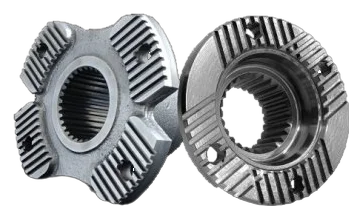
A Power Take-Off (PTO) drive shaft is an ingenious mechanical device that allows implements to draw energy directly from a tractor or heavy machine's engine. Without a durable PTO shaft, modern agriculture and heavy industry would grind to a halt.
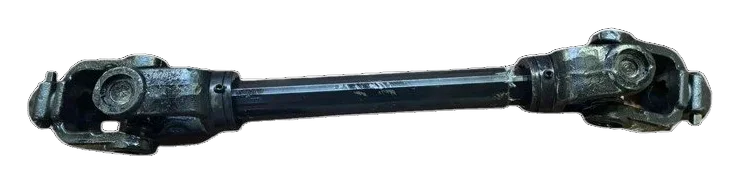
The Anatomy of a PTO Shaft
Unlike standard automotive propeller shafts, PTO shafts are designed to telescope (extend and contract) while spinning under massive torque loads. This is achieved through a combination of precision-engineered parts:
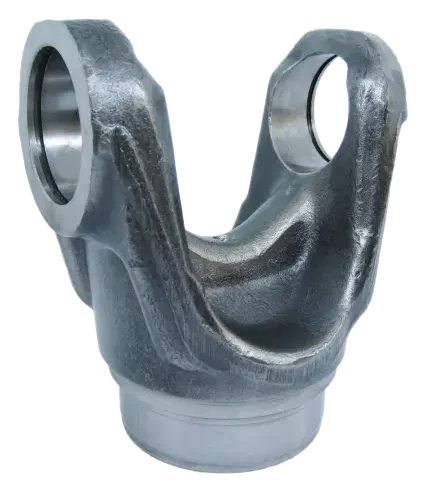
- Splined Sleeve Yokes: These allow the shaft to slide in and out as the tractor turns or drives over uneven terrain.
- Universal Joints (UJ Crosses): Essential for allowing the shaft to articulate at extreme angles without breaking.
- Shear Pins & Slip Clutches: Built-in safety mechanisms that break or slip if the implement gets jammed, protecting the tractor's transmission from exploding.
Need Custom PTO Shafts?
MMW Auto Industries manufactures heavy-duty PTO drive shafts and splined yokes for agricultural and industrial applications.
Get a QuoteChoosing the Right Spline Profile
The connection point between the tractor and the implement is governed by the spline profile on the front teeth and sleeve yoke. The most common standard is the 6-spline 1-3/8" shaft, which operates at 540 RPM. For heavier industrial equipment requiring 1000 RPM, a 20-spline or 21-spline shaft is utilized.
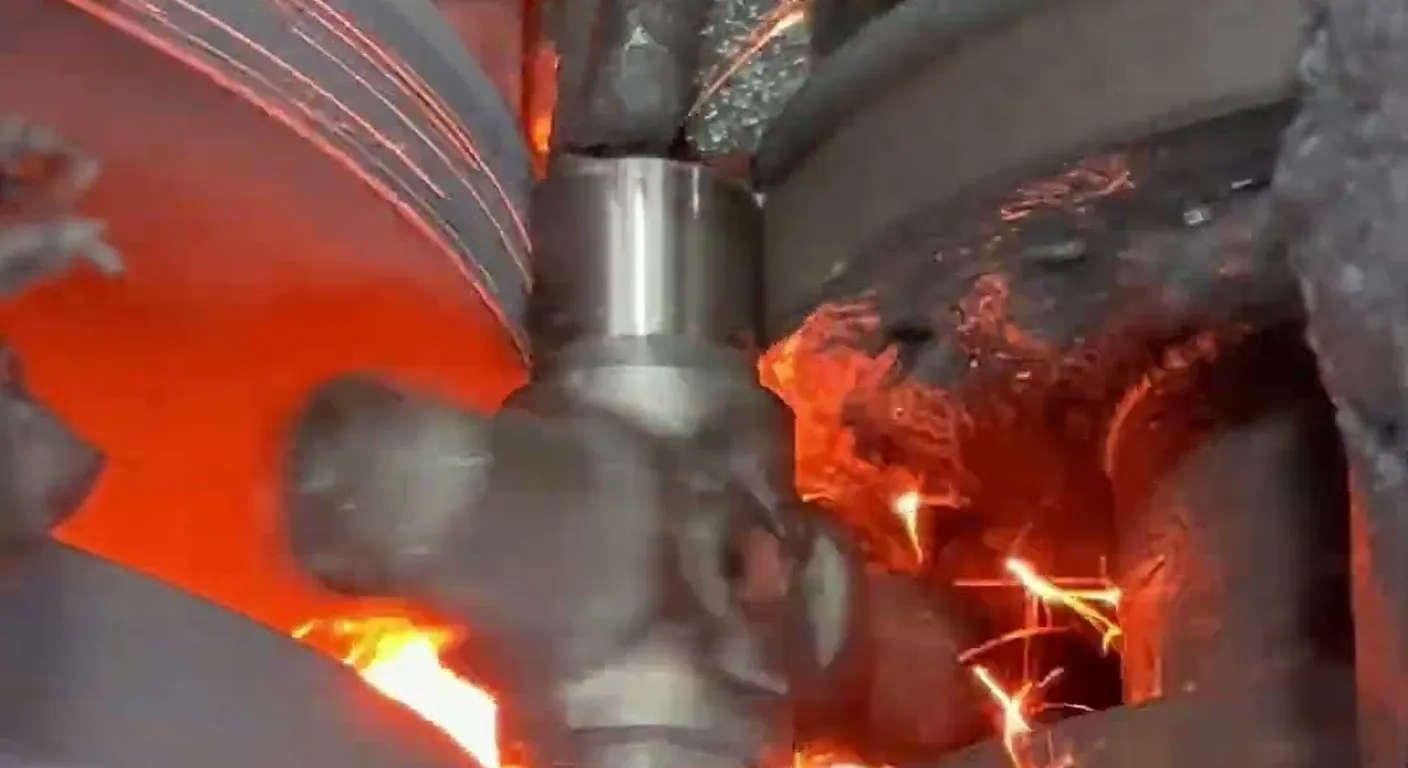
At MMW Auto Industries, we use advanced European CNC broaching machines to cut these splines with micron-level accuracy, ensuring a tight, slop-free fit that maximizes power transfer and reduces wear.
Guarding: The Non-Negotiable Safety Layer
A PTO shaft spinning at 540 or 1000 RPM is one of the most dangerous moving parts on a farm or industrial site—loose clothing or a stray hand caught by an unshielded universal joint can cause serious injury in an instant. Every PTO shaft should be fitted with a full-length rotating plastic guard over the tube and cones over each universal joint, secured by chains so the guard itself stays stationary while the shaft spins inside it.
Before every use, the guard should be inspected for cracks, missing chains, or bearings that no longer spin freely. A shaft is only as safe as the guard covering it, regardless of how well the driveline components themselves are engineered.
Lubrication and Telescoping Wear
Because the splined sleeve yoke slides in and out constantly to accommodate turns and ground clearance changes, it wears differently than a fixed driveline component. The sliding spline interface needs regular greasing—typically before each season of heavy use, or sooner in dusty or wet field conditions—to prevent the telescoping section from binding or developing play. The same UJ cross inspection routine covered in our drive shaft maintenance guide applies here: check for radial play at each cross before it turns into a snapped shaft mid-field.