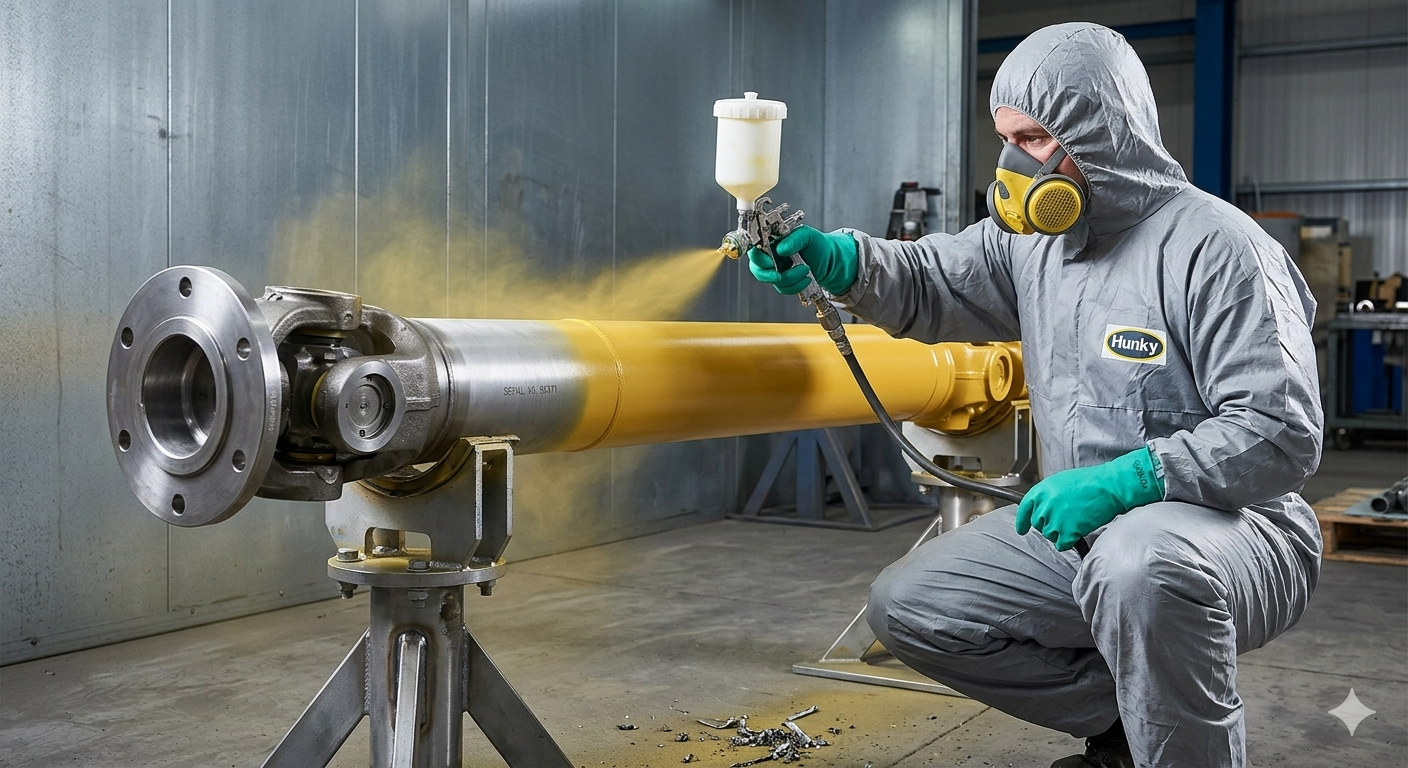
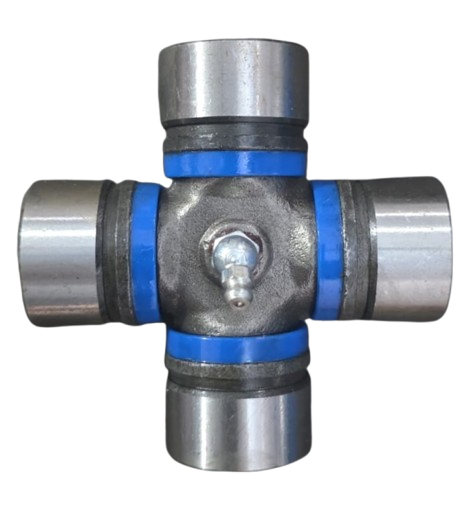
Most PTO shaft injuries don't happen because the shaft itself failed. They happen because the guard covering it was missing, damaged, or simply not spinning freely, and something — a sleeve, a strap, a hand reaching over the shaft — made contact with the rotating tube or a universal joint underneath. The engineering that goes into the shaft matters, covered in our PTO drive shaft guide, but none of it protects anyone if the guard around it isn't doing its job.
The Anatomy Of A Proper Guard
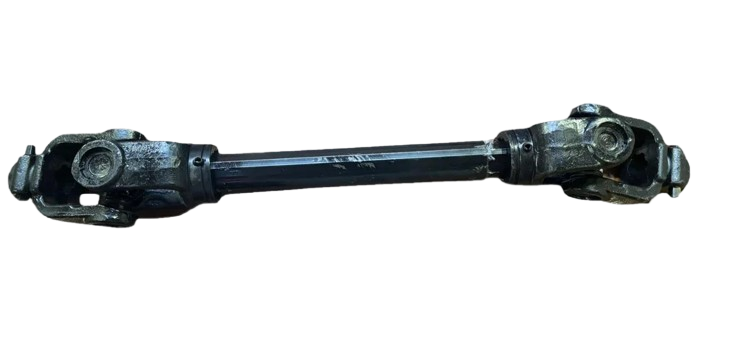
A correctly fitted PTO guard has two parts working together. The tube shield is the plastic or steel cover running the length of the shaft tube itself, and the joint shields — often cone-shaped — cover each universal joint at the ends. Critically, the guard is designed to stay stationary while the shaft spins freely inside it: a chain or strap anchors the guard to a fixed point on the machine or tractor so it doesn't rotate with the shaft. A guard that has started spinning with the shaft — because the anchor chain has broken or was never attached — offers essentially no protection despite still being physically present.
Why A Damaged Guard Can Be Worse Than No Guard At All
This sounds counterintuitive, but a cracked or partially collapsed guard can catch loose clothing and pull it toward the shaft rather than deflecting it away, in a way that a completely absent guard — where the danger is at least obvious — sometimes doesn't. This is why a guard with any of the following should be repaired or replaced before the shaft is used again, not just noted for later:
- Cracks or missing sections in the tube shield
- A joint shield that no longer fully covers the universal joint through its full range of articulation
- A missing, broken, or improperly attached anchor chain
- Bearings inside the guard that no longer let it spin freely around the shaft, causing it to drag and wear through
The Pre-Use Check That Actually Matters
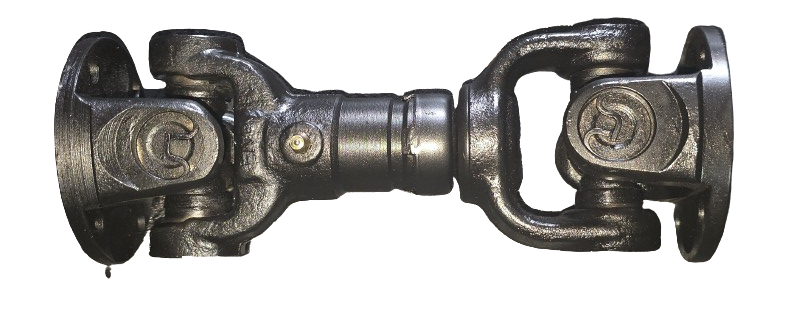
Before connecting a PTO shaft, spin the guard by hand — not the shaft, the guard around it — and confirm it turns freely and independently. Check that the anchor chain or strap is intact and actually attached to a fixed point, not just hanging loose. Look along the full length for cracks, and check that the joint shields at both ends still cover the full swing of the universal joint at the steepest angle the linkage will actually see in use. This takes under a minute and it's the single highest-value habit for anyone working around PTO-driven equipment regularly.
The Shear Pin And Slip Clutch Are Part Of The Safety System Too
Shear pins and slip clutches, which we cover in the PTO shaft guide linked above, exist to protect the driveline and the tractor's transmission if the driven implement jams. They're a mechanical safety system in their own right — a shaft that's had its shear pin replaced with a solid bolt "to stop it breaking" has had a deliberate safety feature disabled, and that decision tends to transfer the shock load somewhere else in the driveline instead, often the universal joints.
Replacing A Damaged Guard Or Shaft?
Tell us the implement and PTO speed and we'll help you specify a correctly guarded replacement shaft.
Lubrication And Guard Life Are Connected
A guard that's neglected often points to a shaft that's neglected in general. If the guard bearings aren't being checked, it's a fair bet the shaft's own grease nipples aren't being serviced on schedule either — see our maintenance guide for what that neglect eventually costs in shaft life.